


English




Paperback
₹269
₹375
28.27% OFF
(All inclusive*)
Delivery Options
Please enter pincode to check delivery time.
*COD & Shipping Charges may apply on certain items.
Review final details at checkout.
Looking to place a bulk order? SUBMIT DETAILS

Piracy-free

Assured Quality

Secure Transactions
About The Book
Description
Author
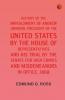
The country had just emerged from a gigantic struggle of physical force of four years duration between the two great Northern and Southern sections. That struggle had been from its inception to its close a continuing exhibition on both sides of stubborn devotion to a cause and its annals had been crowned with illustrations of the grandest race and personal courage the history of the world records. Out of a population of thirty million people four million men were under arms from first to last and sums of money quite beyond the limit of ordinary comprehension were expended in its prosecution. There was bloodshed without stint. Both sides to the conflict fought for an idea—on the one side for so-called State Rights and local self-government—on the other for national autonomy as the surest guaranty of all rights—personal local and general. The institution of negro slavery the basis of the productive industries of the States of the South which had from the organization of the Government been a source of friction between the slave-holding and nonslave-holding sections and was in fact the underlying and potent cause of the war went under in the strife and was by national edict forever prohibited. The struggle being ended by the exhaustion of the insurgents two conspicuous problems demanding immediate solution were developed: The status of the now ex-slaves or freedmen—and the methods to be adopted for the rehabilitation of the revolted States including the status of the revolted States themselves. The sword had declared that they had no constitutional power to withdraw from the Union and the result demonstrated that they had not the physical power—and therefore that they were in the anomalous condition of States of though not States technically in the Union—and hence properly subject to the jurisdiction of the General Government and bound by its judgment in any measures to be instituted by it for their future restoration to their former condition of co-equal States. The now ex-slaves had been liberated not with the consent of their former owners but by the power of the conqueror as a war measure who not unnaturally insisted upon the right to declare absolutely the future status of these persons without consultation with or in any way by the intervention of their late owners. The majority of the gentlemen in Congress representing the Northern States demanded the instant and complete enfranchisement of these persons as the natural and logical sequence of their enfreedment. The people of the late slave States as was to have been foreseen and not without reason objected—especially where as was the case in many localities the late slaves largely out-numbered the people of the white race: and it is apparent from subsequent developments that they had the sympathy of President Lincoln at least so far as to refuse his sanction to the earlier action of Congress relative to restoration.
Piracy-free
Assured Quality
Secure Transactions
Delivery Options
Please enter pincode to check delivery time.
*COD & Shipping Charges may apply on certain items.
Review final details at checkout.
Details
ISBN 13
9789371477505
Publication Date
-12-12-2025
Pages
-217
Weight
-261 grams
Dimensions
-139.7x215.9x12.29 mm
