

English


Hardback
₹14593
₹18802
22.39% OFF
(All inclusive*)
Delivery Options
Please enter pincode to check delivery time.
*COD & Shipping Charges may apply on certain items.
Review final details at checkout.
Looking to place a bulk order? SUBMIT DETAILS
Delivery Options
Please enter pincode to check delivery time.
*COD & Shipping Charges may apply on certain items.
Review final details at checkout.
About The Book
Description
Author
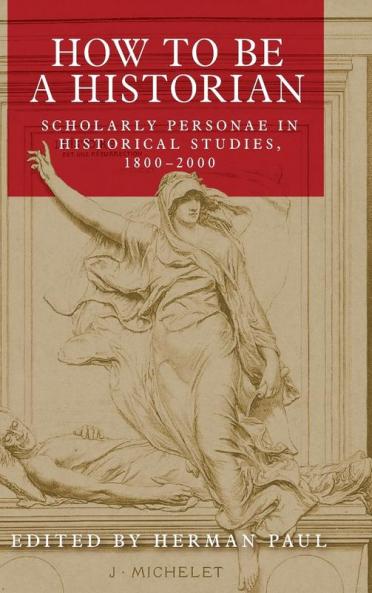
This volume offers a stimulating new perspective on the history of historical studies. Through the prism of 'scholarly personae' it explores why historians care about attitudes or dispositions that they consider necessary for studying the past yet often disagree about what virtues skills or competencies are most important. More specifically the volume explains why models of virtue known as 'personae' have always been contested yet also can prove remarkably stable especially with regard to their race class and gender assumptions. Covering historical studies across Europe North America Africa and East Asia <i>How to be a historian </i>will appeal not only to historians of historiography but to all historians who occasionally wonder: What kind of a historian do I want to be?

Piracy-free

Assured Quality

Secure Transactions

Fast Delivery

Sustainably Printed
Details
ISBN 13
9781526132802
Publication Date
-13-06-2019
Pages
-232
Weight
-428 grams
Dimensions
-156x234x17.46 mm
