

English


Paperback
₹2756
₹3291
16.26% OFF
(All inclusive*)
Delivery Options
Please enter pincode to check delivery time.
*COD & Shipping Charges may apply on certain items.
Review final details at checkout.
Looking to place a bulk order? SUBMIT DETAILS

Piracy-free

Assured Quality

Secure Transactions
About The Book
Description
Author
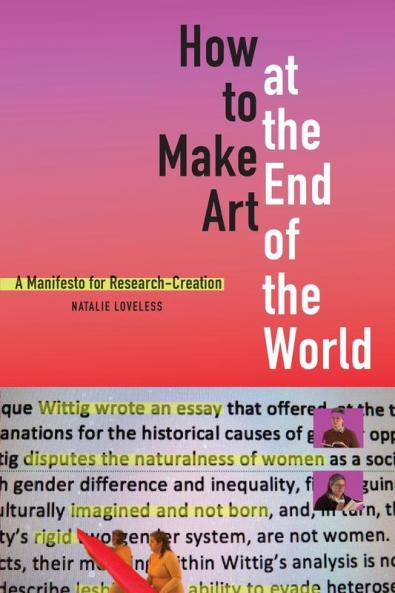
In recent years the rise of research-creation-a scholarly activity that considers art practices as research methods in their own right-has emerged from the organic convergences of the arts and interdisciplinary humanities and it has been fostered by universities wishing to enhance their public profiles. In <i>How to Make Art at the End of the World</i> Natalie Loveless draws on diverse perspectives-from feminist science studies to psychoanalytic theory as well as her own experience advising undergraduate and graduate students-to argue for research-creation as both a means to produce innovative scholarship and a way to transform pedagogy and research within the contemporary neoliberal university. Championing experimental artistically driven methods of teaching researching and publication research-creation works to render daily life in the academy more pedagogically politically and affectively sustainable as well as more responsive to issues of social and ecological justice.
Piracy-free
Assured Quality
Secure Transactions
Delivery Options
Please enter pincode to check delivery time.
*COD & Shipping Charges may apply on certain items.
Review final details at checkout.
Details
ISBN 13
9781478004028
Publication Date
-09-08-2019
Pages
-176
Weight
-247 grams
Dimensions
-152x229x12.15 mm
