

English


₹4045
₹4073
0.69% OFF
(All inclusive*)
Hardback
Delivery Options
Please enter pincode to check delivery time.
*COD & Shipping Charges may apply on certain items.
Review final details at checkout.
Looking to place a bulk order? SUBMIT DETAILS
Delivery Options
Please enter pincode to check delivery time.
*COD & Shipping Charges may apply on certain items.
Review final details at checkout.
About The Book
Description
Author
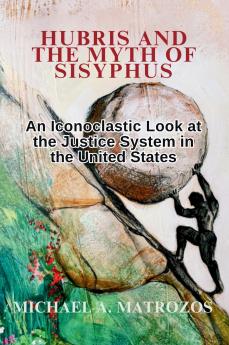
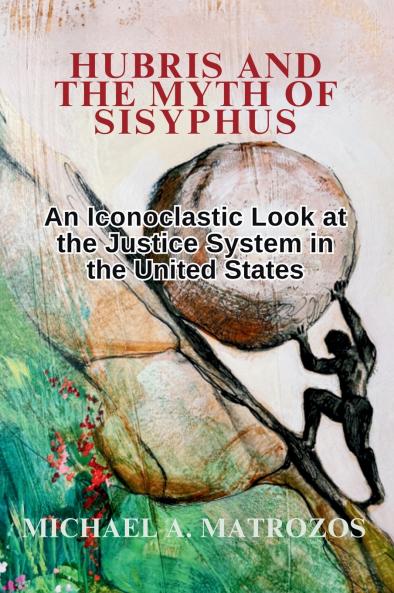
<p>Hubris in Ancient Greek tragedy simply meant the revealing tale of how a great man's fortunes shifted from initial prosperity to final wretchedness. The hero once overambitious self-confident insolent and magnificent faces a tragic fall.</p><p>Hubris also known as 'amartia' is the tragic flaw; the inherent defect or shortcoming in the hero who in all other aspects is favored by fortune.</p><p>Tragedy unfolds as a conflict between the protagonist and a superior force leading to a sorrowful or disastrous conclusion that evokes pity and terror.</p><p>The hero confronts a series of disastrous events grappling with life under the shadow of disaster. Overcoming adversity he becomes unduly confident arrogant and presumptuous entangled in an intolerable yet inescapable situation guided by will or circumstances fatal ignorance or binding obligation. Ultimately he faces the workings of an inexorable fate ensuring an unhappy outcome. The ordeal however may reveal dimensions of human grandeur and dignity in extreme circumstances.</p><p>The tragic hero a man of noble rank and nature faces misfortune not due to villainy but some 'error in judgment.' The hero's suffering disproportionate to its flaw involves a cosmic collusion among the hero's flaw chance necessity and external forces bringing about the tragic catastrophe.</p><p>The hero's flaw is elusive; often tragic deeds are committed unwittingly. If knowingly committed they are not by choice. An apparent weakness is sometimes an excess of virtue like extreme probity or zeal for perfection.</p><p>Since the hero is never passive struggling to resolve his tragic difficulty with obsessive dedication he is guilty of Hubris; an assumption of godlike qualities and an attempt to overstep human limitations.</p><p>The hero's Hubris is subtle sometimes wholly blameless yet his unbroken spirit under the tragic ordeal suggests an overconfidence the Gods find offensive.</p><p>Tragedy delves into the role of man in the universe questioning his actions.</p><p>Why must he suffer?
</p><p>Why is man torn between irreconcilables like good and evil freedom and necessity truth and deceit?</p><p>Are the causes of suffering external; in blind chance the evil designs of others or the malice of God?</p><p>Are its causes within brought upon himself through arrogance infatuation or the tendency to overreach?</p><p>Why is Justice so elusive?</p><p></p>

Piracy-free

Assured Quality

Secure Transactions

Fast Delivery

Sustainably Printed
Details
ISBN 13
9798330608003
Publication Date
-24-11-2024
Pages
-560
Weight
-1087 grams
Dimensions
-178x254x30.16 mm
