


English


Paperback
₹6439
₹9885
34.86% OFF
(All inclusive*)
Delivery Options
Please enter pincode to check delivery time.
*COD & Shipping Charges may apply on certain items.
Review final details at checkout.
Looking to place a bulk order? SUBMIT DETAILS

Piracy-free

Assured Quality

Secure Transactions
About The Book
Description
Author
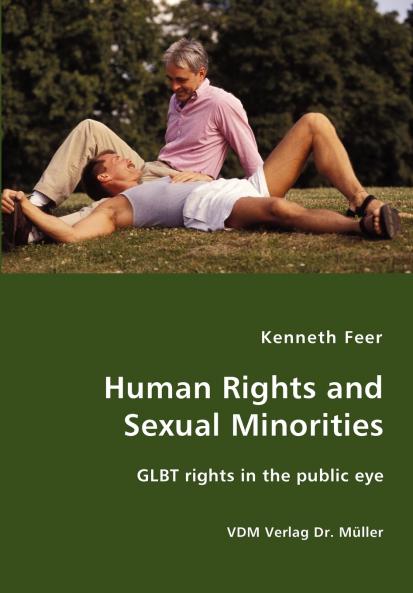
Some countries have extended full equal rights to sexual minorities (gay lesbianbisexual and transgender individuals and groups) while at the sametime others have not progressed or even regressed. Why? This study employsa case-study approach emphasizing the processes of rights acquisitionand the outcomes of those processes to determine what characteristics arenecessary for successful sexual minority rights acquisition movements indiverse settings. The traits examined are levels of development cultural/attitudinalorientations governmental/institutional opportunity structures andcharacteristics of rights proponents' organizations in four countries: DenmarkIndia the Republic of South Africa and the United States. To framethe discussion relevant national debates in each country are analyzed. Thepresence or absence of any level of rights is most strongly informed by thecultural/attitudinal orientation of the country's elites and the organizationalstructure and legal/political strategy of the proponents. This book is addressedto scholars of and activists in GLBT movements as well as students of politicsand sociology.
Piracy-free
Assured Quality
Secure Transactions
Delivery Options
Please enter pincode to check delivery time.
*COD & Shipping Charges may apply on certain items.
Review final details at checkout.
Details
ISBN 13
9783836426305
Publication Date
-30-08-2007
Pages
-268
Weight
-439 grams
Dimensions
-170x244x14.3 mm
