


English



Paperback
₹4458
₹5569
19.95% OFF
(All inclusive*)
Delivery Options
Please enter pincode to check delivery time.
*COD & Shipping Charges may apply on certain items.
Review final details at checkout.
Looking to place a bulk order? SUBMIT DETAILS
Delivery Options
Please enter pincode to check delivery time.
*COD & Shipping Charges may apply on certain items.
Review final details at checkout.
About The Book
Description
Author
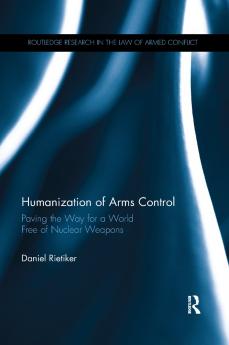
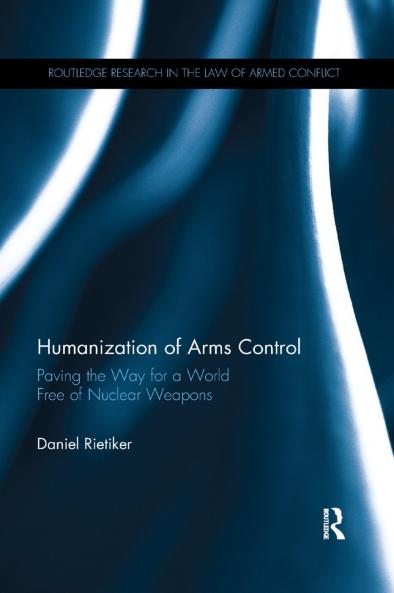
<p>Despite clear legal rules and political commitments no significant progress has been made in nuclear disarmament for two decades. Moreover not even the use of these weapons has been banned to date. New ideas and strategies are therefore necessary. The author explores an alternative approach to arms control focusing on the human dimension rather than on States’ security: humanization of arms control! </p><p>The book explores the preparatory work on arms control treaties and in particular the role of civil society. It analyzes the positive experiences of the movements against chemical weapons anti-personnel mines and cluster munitions as well as the recent conclusion of the Arms Trade Treaty. The author examines the question of whether civil society will be able to replicate the success strategies that have been used in particular in the field of anti-personnel mines (Ottawa Convention) and cluster munitions (Oslo Convention) in the nuclear weapons field. Is there any reason why the most destructive weapons should not be outlawed by a legally binding instrument?</p><p>The book also explains the effects of weapons especially nuclear weapons on human beings the environment and global development thereby focusing on vulnerable groups such as indigenous peoples women and children. It takes a broad approach to human rights including economic social and cultural rights. The author concludes that the use of nuclear weapons is illegal under international humanitarian and human rights law and moreover constitutes international crimes under the Rome Statute of the International Criminal Court.</p><p>In his general conclusions the author makes concrete proposals for the progress toward a world without nuclear weapons.</p>

Piracy-free

Assured Quality

Secure Transactions

Fast Delivery

Sustainably Printed
Details
ISBN 13
9780367267018
Publication Date
-22-03-2019
Pages
-352
Weight
-501 grams
Dimensions
-156x234x18.68 mm
