



English




Paperback
₹4614
₹6269
26.4% OFF
(All inclusive*)
Delivery Options
Please enter pincode to check delivery time.
*COD & Shipping Charges may apply on certain items.
Review final details at checkout.
Looking to place a bulk order? SUBMIT DETAILS
Delivery Options
Please enter pincode to check delivery time.
*COD & Shipping Charges may apply on certain items.
Review final details at checkout.
About The Book
Description
Author
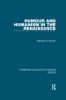
Of the articles in this volume eight concern a world-famous author (François Rabelais); the others are studies of little-known authors (Cortesi Corrozet Mercier) or genres (the joke the apophthegm). The common theme in all but one is humour: how it was defined and how used by orators and humanists but also by court jesters princes peasants and housewives. Though neglected by historians this subject was of crucial importance to writers as different as Luther Erasmus Thomas More and François Rabelais. The book is divided into four sections. 'Humanist Wit' concerns the large and multi-lingual corpus of Renaissance facetiae. The second and third parts focus on French humanist humour Rabelais in particular while the last section is titled 'Serious Humanists' because humour is by no means absent from it. For the Renaissance as Erasmus and Rabelais amply demonstrate and as the 'minor' authors studied here confirm wit whether affectionate or bitingly satirical can coexist with and indeed be inseparable from serious purpose. Rabelais as so often said it best: 'Rire est le propre de l'homme.'

Piracy-free

Assured Quality

Secure Transactions

Fast Delivery

Sustainably Printed
Details
ISBN 13
9781138375642
Publication Date
-10-06-2019
Pages
-320
Weight
-421 grams
Dimensions
-150.11x224.03x17.04 mm
