

English


₹12347
₹15907
22.38% OFF
(All inclusive*)
Hardback
Delivery Options
Please enter pincode to check delivery time.
*COD & Shipping Charges may apply on certain items.
Review final details at checkout.
Looking to place a bulk order? SUBMIT DETAILS
Delivery Options
Please enter pincode to check delivery time.
*COD & Shipping Charges may apply on certain items.
Review final details at checkout.
About The Book
Description
Author
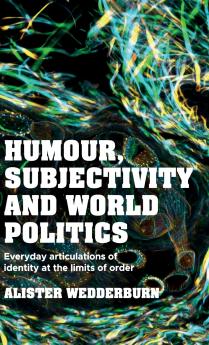
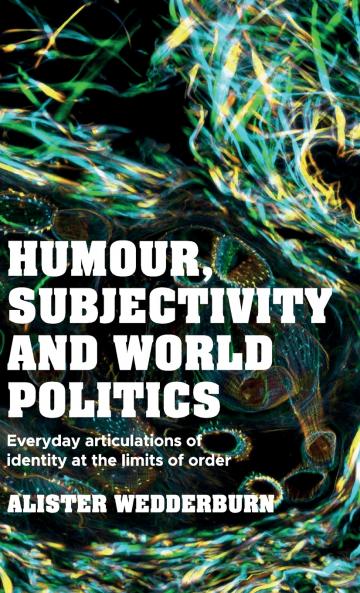
<p>Questions about the ethical and political boundaries of comedy satire or irony have inspired widespread anxiety in recent years as with the 2015 shootings at the offices of <i>Charlie Hebdo </i>in Paris or the so called 'locker-room banter' that defined Donald Trump's 2016 election campaign. What then can a turn to humour offer International Relations?<br><br>Drawing on literature across International Relations literary theory cultural studies and sociology Alister Wedderburn argues that humour plays an underappreciated role in the making and unmaking of political subjectivities. The book recovers a historical understanding of humour as a way of making a claim to political subjectivity in the face of its denial. This function Wedderburn argues is embodied by the ambiguous figure of the parasite a stock character of Greek comic drama. The book interrogates three separate sites where political actors have used humour 'parasitically' in order to make political claims and demands. In so doing it not only outlines humour's political potential and limitations but also demonstrates how everyday practices can draw from feed into interrupt and potentially transform global-political relations.<br><br>Representing the first monograph-length study on the politics of humour within International Relations this book makes a timely contribution to debates about the politics of humour subjectivity and everyday life.</p>

Piracy-free

Assured Quality

Secure Transactions

Fast Delivery

Sustainably Printed
Details
ISBN 13
9781526150691
Publication Date
-17-08-2021
Pages
-218
Weight
-339 grams
Dimensions
-140x216x14.29 mm
