

English


₹6778
(All inclusive*)
Hardback
Delivery Options
Please enter pincode to check delivery time.
*COD & Shipping Charges may apply on certain items.
Review final details at checkout.
Looking to place a bulk order? SUBMIT DETAILS
Delivery Options
Please enter pincode to check delivery time.
*COD & Shipping Charges may apply on certain items.
Review final details at checkout.
About The Book
Description
Author(s)
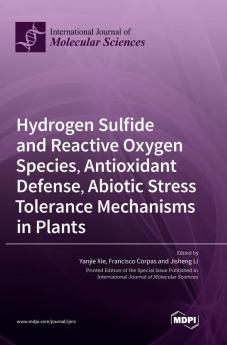
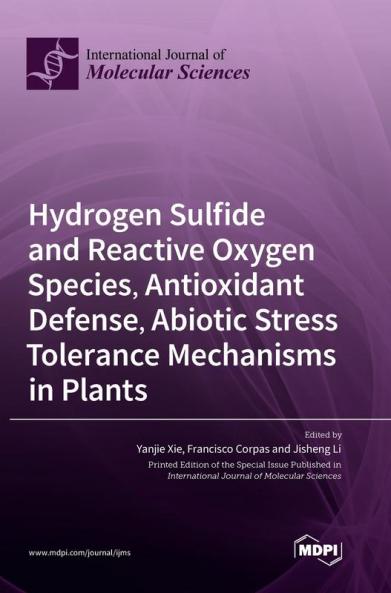
<p>Hydrogen sulfide (H2S) which was previously considered to be toxic is now regarded as a burgeoning endogenous gaseous transmitter. H2S plays a vital role in the mechanism of response/adaptation to adverse environmental conditions as well as crosstalk with other signaling molecules including ROS by affecting the corresponding gene expression and subsequent enzyme activities. Both H2S and ROS are potent signaling molecules that can provoke reversible and irreversible oxidative post-translational modifications on cysteine residues of proteins such as sulfenylation or persulfidation affecting the redox status and function of the target proteins. The dynamic interplay between persulfidation and sulfenylation occurring on cysteine residues is of great importance in response to environmental changes.</p><p>The present Special Issue of <em>IJMS</em> has the aim of providing the most current findings on the function of signaling molecules including H2S and ROS in higher plants and it is open to different types of manuscripts including original research papers perspectives or reviews where either ROS H2S or related molecules could be involved at the biochemical or physiological levels.</p>

Piracy-free

Assured Quality

Secure Transactions

Fast Delivery

Sustainably Printed
Details
ISBN 13
9783036553764
Publication Date
-23-09-2022
Pages
-248
Weight
-511 grams
Dimensions
-170x244x20.64 mm
