

English


Paperback
₹5745
₹7576
24.17% OFF
(All inclusive*)
Delivery Options
Please enter pincode to check delivery time.
*COD & Shipping Charges may apply on certain items.
Review final details at checkout.
Looking to place a bulk order? SUBMIT DETAILS
Delivery Options
Please enter pincode to check delivery time.
*COD & Shipping Charges may apply on certain items.
Review final details at checkout.
About The Book
Description
Author(s)
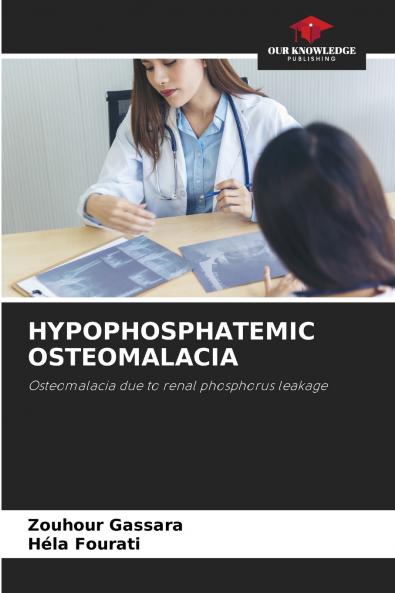
Diabetes phosphorus (DP) is a group of rare conditions characterized by renal phosphate leakage leading to hypophosphatemia and osteomalacia. Although PD-related osteomalacia is much rarer than vitamin D-related osteomalacia its etiologies are many and varied including genetic oncogenic and drug-related causes as well as tubulopathies. The diagnosis of PD is primarily a biological one based on hypophosphatemia associated with a low rate of tubular phosphorus reabsorption (TRP). Once the diagnosis has been made a thorough etiological work-up is required to identify the underlying cause plan treatment and prevent bone complications. This is based on biology metabolic imaging and if necessary a genetic study. The main objective is to find a curable etiology in particular an FGF-23-secreting tumour requiring surgical removal. In the absence of an identified cause PD is said to be idiopathic. Its management is medical based mainly on optimal phosphorus and calcitriol supplementation.

Piracy-free

Assured Quality

Secure Transactions

Fast Delivery

Sustainably Printed
Details
ISBN 13
9786208486297
Publication Date
-29-08-2025
Pages
-52
Weight
-85 grams
Dimensions
-152x229x3.16 mm
