

English


Paperback
₹3294
₹4073
19.12% OFF
(All inclusive*)
Delivery Options
Please enter pincode to check delivery time.
*COD & Shipping Charges may apply on certain items.
Review final details at checkout.
Looking to place a bulk order? SUBMIT DETAILS
Delivery Options
Please enter pincode to check delivery time.
*COD & Shipping Charges may apply on certain items.
Review final details at checkout.
About The Book
Description
Author
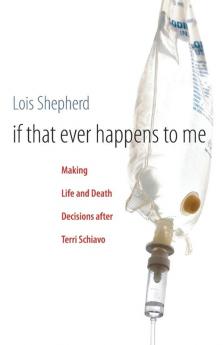
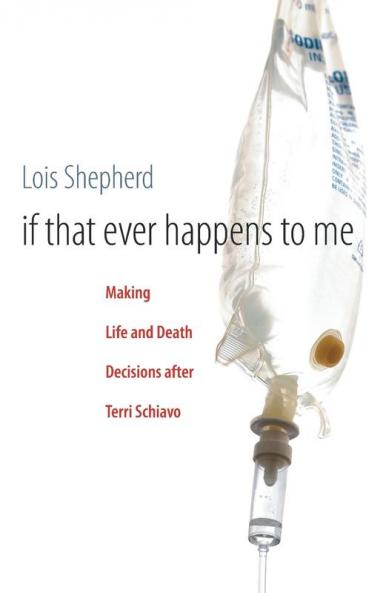
Every day thousands of people quietly face decisions as agonizing as those made famous in the Terri Schiavo case. Throughout that controversy all kinds of people &#x2014; politicians religious leaders legal and medical experts &#x2014; made emphatic statements about the facts and offered even more certain opinions about what should be done. To many courts were either ordering Terri&#x2019;s death by starvation or vindicating her constitutional rights. Both sides called for simple answers. <i>If That Ever Happens to Me</i> details why these simple answers were not right for Terri Schiavo and why they are not right for end-of-life decisions today.<br/><br/>Lois Shepherd looks behind labels like &#x201C;starvation&#x201D; &#x201C;care&#x201D; or &#x201C;medical treatment&#x201D; to consider what care and feeding really mean when feeding tubes might be removed and why disability groups the faithful and even the dying themselves often suggest end-of-life solutions that they might later regret. For example Shepherd cautions against living wills as a pat answer. She provides evidence that demanding letter-perfect documents can actually weaken rather than bolster patient choice.<br/><br/>The actions taken and decisions made during Terri Schiavo&#x2019;s final years will continue to have repercussions for thousands of others &#x2014; those nearing death their families health-care professionals attorneys lawmakers clergy media researchers and ethicists. <i>If That Ever Happens to Me</i> is an excellent choice for anyone interested in end-of-life law policy and ethics &#x2014; particularly readers seeking a deeper understanding of the issues raised by Terri Schiavo&#x2019;s case.

Piracy-free

Assured Quality

Secure Transactions

Fast Delivery

Sustainably Printed
Details
ISBN 13
9780807873526
Publication Date
-03-02-2012
Pages
-238
Weight
-285 grams
Dimensions
-140x216x13.74 mm
