

English


Hardback
₹14371
₹18427
22.01% OFF
(All inclusive*)
Delivery Options
Please enter pincode to check delivery time.
*COD & Shipping Charges may apply on certain items.
Review final details at checkout.
Looking to place a bulk order? SUBMIT DETAILS
Delivery Options
Please enter pincode to check delivery time.
*COD & Shipping Charges may apply on certain items.
Review final details at checkout.
About The Book
Description
Author
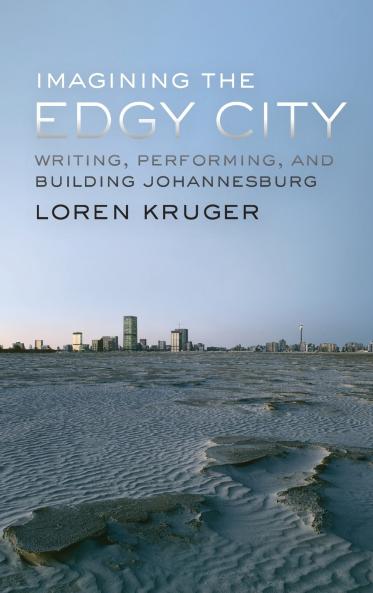
All roads lead to Johannesburg remarks the narrator of Alan Paton's novel <em>Cry The Beloved Country</em>. Taking this quote as her impetus Loren Kruger guides readers into the heart of South Africa's largest city. Exploring a wide range of fiction film architecture performance and urban practices from trading to parades <em>Imagining the Edgy City</em> traverses Johannesburg's rich cultural terrain over the last century. <p/>The edgy city in Kruger's exploration refers not only to persistent boundaries between the haves and have-nots but also to the cosmopolitan diversity and innovation that has emerged from Johannesburg. The book begins with the building boom performances and uneven but noteworthy inter-racial exchange that marked the city's fiftieth-anniversary celebration at the Empire Exhibition in 1936. This celebration rapidly gave way to the political repression and civil unrest that characterized South Africa from 1950 to 1990. Yet poetry drama fiction and photography continued to thrive bearing witness not only against apartheid but to alternatives beyond it. In the late twentieth century the not quite post-apartheid condition fired the artistic imaginations of film makers as well as novelists. Urban neglect rising crime and the influx of migrants inspired noir cinema-like Michael Hammon's Wheels and Deals-and fiction about migration from Achmat Dangor to Phaswane Mpe and in the twenty-first urban renewal has produced public art that incorporates the desire lines of newcomers as well as natives. Alongside well-known artists such as Nadine Gordimer William Kentridge and David Goldblatt the book introduces many artists architects writers and other chroniclers who have hitherto received little attention abroad. <p/>Ultimately Johannesburg emerges as a city whose negotiation of the tensions between incivility and innovation invites comparisons with modern conurbations across the world not only African cities such as Dakar or other cities of the south such as Bogot&#65533; but also with major metropolises in North America and Europe from Chicago to Paris. A multi-faceted work that speaks to scholars in urban studies literature and history <em> Imagining the Edgy City </em>is a rich example of interdisciplinary scholarship at its best.<br>

Piracy-free

Assured Quality

Secure Transactions

Fast Delivery

Sustainably Printed
Details
ISBN 13
9780199321902
Publication Date
-20-11-2013
Pages
-304
Weight
-527 grams
Dimensions
-156x234x17.46 mm
