

English


₹5772
(All inclusive*)
Paperback
Delivery Options
Please enter pincode to check delivery time.
*COD & Shipping Charges may apply on certain items.
Review final details at checkout.
Looking to place a bulk order? SUBMIT DETAILS
Delivery Options
Please enter pincode to check delivery time.
*COD & Shipping Charges may apply on certain items.
Review final details at checkout.
About The Book
Description
Author
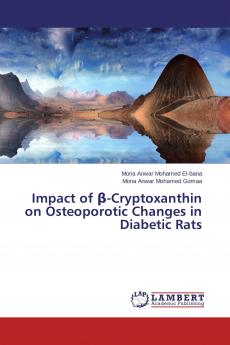
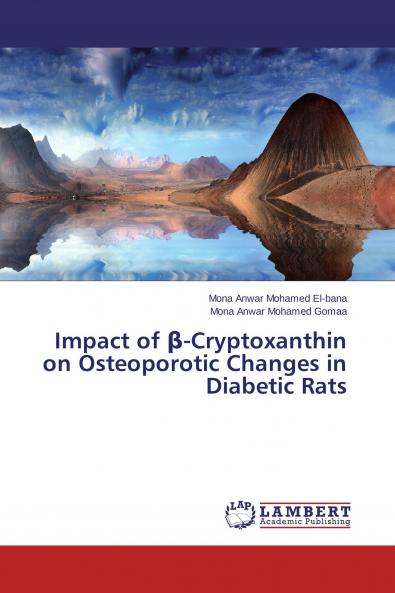
Osteoporosis is a disease characterized by low bone mass and structural deterioration of bone tissue leading to bone fragility and increased susceptibility to fracture. Epidemiological studies showed higher frequency of osteoporosis in diabetic patients as compared with sex and age matched control. Bone mineral density and other biochemical markers of bone turnover are very much affected in diabetic rats. Reduced bone mass occurring with increased frequency in diabetes mellitus has been attributed to poor glycemic control. Insulin deficiency in diabetes leads to this complication. Nutrition is important modifiable factor in the development and maintenance of bone mass and in prevention and treatment of osteoporosis. β-cryptoxanthin which is abundant tangerine fruit have been demonstrated to increasing osteoblastic bone formation and to inhibiting osteoclastic bone resorption. N3-fatty acids have the ability to increase calcium absorption from the gut improve bone formation by increased levels of calcium in the body deposit calcium in the bones and improve bone strength.

Piracy-free

Assured Quality

Secure Transactions

Fast Delivery

Sustainably Printed
Details
ISBN 13
9783659770128
Publication Date
-14-08-2015
Pages
-116
Weight
-169 grams
Dimensions
-150x220x6.56 mm
