

English


₹10861
₹14326
24.19% OFF
(All inclusive*)
Paperback
Delivery Options
Please enter pincode to check delivery time.
*COD & Shipping Charges may apply on certain items.
Review final details at checkout.
Looking to place a bulk order? SUBMIT DETAILS
Delivery Options
Please enter pincode to check delivery time.
*COD & Shipping Charges may apply on certain items.
Review final details at checkout.
About The Book
Description
Author(s)
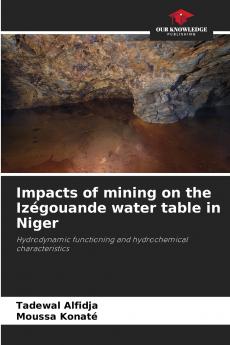
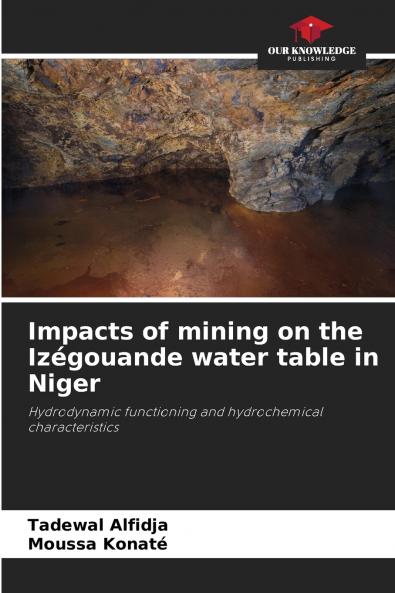
In the Tim Mersoï basin in northern Niger uranium deposits have been exploited for five decades by two mining companies. Increased mining activity coupled with population growth is placing heavy demands on the groundwater resources of the Permian Izégouande aquifer. Over the past decade this aquifer has contributed almost 70% of the mining area's drinking water supply. The aim of this work is to demonstrate the impact of mining activities on the hydrodynamic functioning of the Izégouande aquifer and on its vulnerability to pollution. To achieve this objective an interdisciplinary methodological approach was implemented integrating the analysis of isobath and isopaque curves and the study of hydrodynamic and hydrochemical parameters. Several diagrams (Chadha Gibbs Schöeller Berkaloff etc.) were drawn up along with a pollution vulnerability map. PCAs Binary Ion Relationships and the calculation of saturation and cation base exchange indices were used to determine the origin of groundwater mineralization.

Piracy-free

Assured Quality

Secure Transactions

Fast Delivery

Sustainably Printed
Details
ISBN 13
9786206778257
Publication Date
-28-04-2025
Pages
-164
Weight
-231 grams
Dimensions
-152x229x9.63 mm
