

by
SHERMAN
English


₹13847
₹17755
22.01% OFF
(All inclusive*)
Hardback
Delivery Options
Please enter pincode to check delivery time.
*COD & Shipping Charges may apply on certain items.
Review final details at checkout.
Looking to place a bulk order? SUBMIT DETAILS
Delivery Options
Please enter pincode to check delivery time.
*COD & Shipping Charges may apply on certain items.
Review final details at checkout.
About The Book
Description
Author
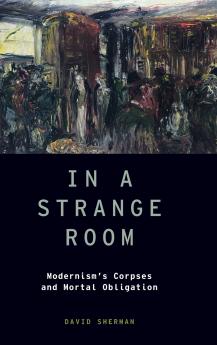
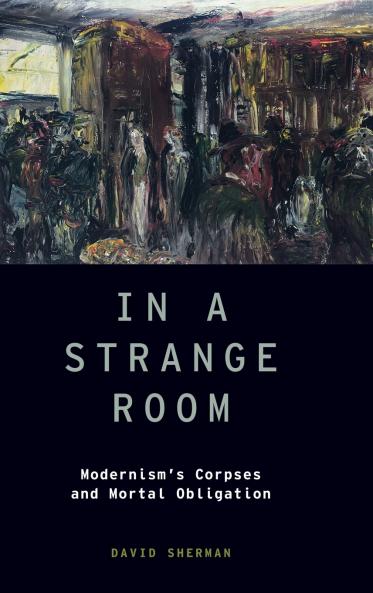
Literary modernism emerged as death stripped in the developing world of traditional meanings and practices became strange. The sea-change over the first part of the twentieth century in how people died and tended corpses-the modernization of death-was a crucial context in which modernist writers developed their new novelistic and poetic techniques. They sought ways to renovate mortal obligations in an age of the obsolescence of the dead.For many years the flesh-and-blood body has been a central protagonist in literary scholarship--the body in pain the body as spectacle and performance embodiments of social identity--but the body in its mortality as corpse has not received sustained critical attention. Filling this gap In a Strange Room investigates modernism''s preoccupation with corpses death rituals and the ethical demands the dead make on the living who survive themformed by insights from psychology anthropology political theory and philosophy David Sherman shows how modernist aesthetics sought to re-animate the complex meanings and values of dead bodies during an era of their efficient medical administration and hygienic disposal. The modernist imagination reckoned with the processes by which the modern corpse became a secularized object increasingly subject to scientific inquiry governmental regulation specialized medical technologies and new forms of market exchange. Chapters explore representations of state power over the war dead in Virginia Woolf and Wilfred Owen the narrative problem of the unburied corpse in As I Lay Dying and Ulysses mortal obligation as erotic desire in Eliot''s The Waste Land and Djuna Barnes''s Nightwood and mortuary pedagogies embedded in elegies by Wallace Stevens and William Carlos Williams.Gathering examples from fiction poetry and the visual arts In a Strange Room considers the changing relationship between aesthetics and mortality during the first half of the twentieth century. New attitudes toward dying and dead bodies demanded modernism''s strange bracing ways of representing ethics at the limits of life.

Piracy-free

Assured Quality

Secure Transactions

Fast Delivery

Sustainably Printed
Details
ISBN 13
9780199333882
Publication Date
-15-11-2018
Pages
-288
Weight
-505 grams
Dimensions
-156x234x17.46 mm
