

English


Paperback
₹4310
₹5952
27.59% OFF
(All inclusive*)
Delivery Options
Please enter pincode to check delivery time.
*COD & Shipping Charges may apply on certain items.
Review final details at checkout.
Looking to place a bulk order? SUBMIT DETAILS
Delivery Options
Please enter pincode to check delivery time.
*COD & Shipping Charges may apply on certain items.
Review final details at checkout.
About The Book
Description
Author
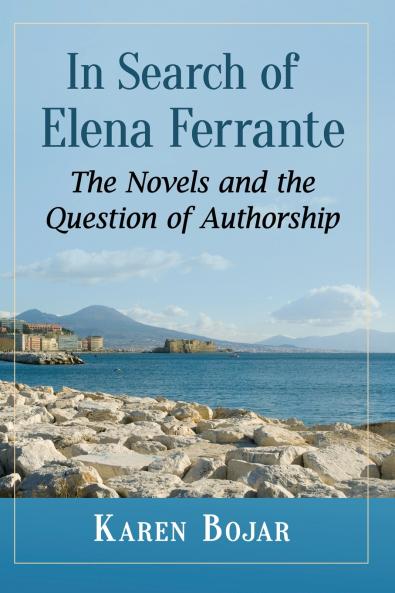
<p> Elena Ferrante--named one of the 100 most influential people in 2016 by <I>Time</I> magazine--is best known for her Neapolitan novels which explore such themes as the complexity of female friendship; the joys and constraints of motherhood; the impact of changing gender roles; the pervasiveness of male violence; the struggle for upward mobility; and the impact of the feminist movement. Ferrante's three novellas encompass similar themes focusing on moments of extreme tension in women's lives.</p><p> This study analyzes the integration of political themes and feminist theory in Ferrante's works including men's entrapment in a sexist script written for them from time immemorial. Her decision to write under a pseudonym is examined along with speculation that Rome-based translator Anita Raja and her husband Domenico Starnone are coauthors of Ferrante's books.</p>

Piracy-free

Assured Quality

Secure Transactions

Fast Delivery

Sustainably Printed
Details
ISBN 13
9781476674681
Publication Date
-17-07-2018
Pages
-224
Weight
-310 grams
Dimensions
-152x229x12.97 mm
