

English


Paperback
₹986
₹1538
35.89% OFF
(All inclusive*)
Delivery Options
Please enter pincode to check delivery time.
*COD & Shipping Charges may apply on certain items.
Review final details at checkout.
Looking to place a bulk order? SUBMIT DETAILS
Delivery Options
Please enter pincode to check delivery time.
*COD & Shipping Charges may apply on certain items.
Review final details at checkout.
About The Book
Description
Author
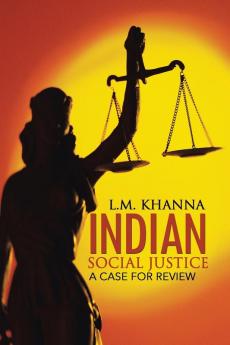
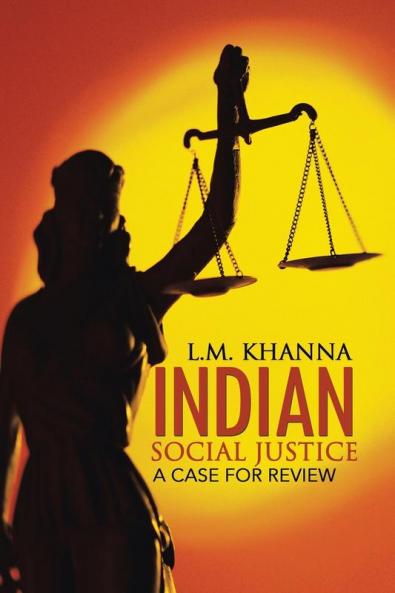
1990 was a year of severe turmoil in social history of India. The acceptance of reservations in services for socially and educationally backward classes created protests and a number of young students lost their lives. After a protracted case hearing in 1992 the Supreme Court severely castigated the Hindu social structure for its lack of egalitarian ethos four watertight compartments of four Varnas and a fifth of outcastes or Panchama. It blamed it for centuries of discrimination against other backward classes in which the victims were condemned to follow their hereditary occupations. It rejected the notion of equality and said there could be no equality between the unequal. Although much of the literature to contradict the above colonial times versions of Hindu social structure appeared later there was enough literature to show even in 1992 that Varnas were not fourwatertight compartments; the theory of caste occupation nexus did not have universal support; and for ages there had been nothing lower than once born Shudra. This book is an effort to answer what constituted the Hindu social structure; what were its essences and what aberrations and constructs and how the law got misapplied in post-independence India.

Piracy-free

Assured Quality

Secure Transactions

Fast Delivery

Sustainably Printed
Details
ISBN 13
9781482819342
Publication Date
-12-08-2014
Pages
-268
Weight
-367 grams
Dimensions
-152x229x14.3 mm
