

English


Paperback
₹6508
(All inclusive*)
Delivery Options
Please enter pincode to check delivery time.
*COD & Shipping Charges may apply on certain items.
Review final details at checkout.
Looking to place a bulk order? SUBMIT DETAILS
Delivery Options
Please enter pincode to check delivery time.
*COD & Shipping Charges may apply on certain items.
Review final details at checkout.
About The Book
Description
Author
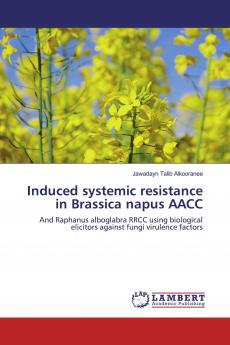
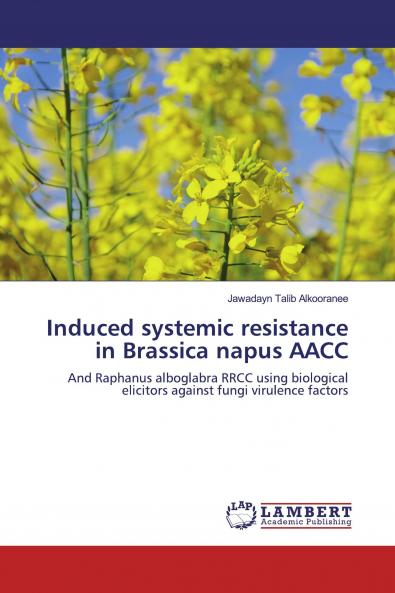
Brassica napus L. (Canola oilseed rape rapeseed) is widely cultivated in China. It is one of the most important cultivated crops in temperate climates and is the second main source of oilseed crops in the world with an annual production of approximately 14 million tons in China and has a broad range of industrial purposes.Many diseases effect canola crop which lead to reduction in yield and quality products such as sclerotinia stem rot disease caused by Sclerotinia sclerotiorum is a necrotrophic lifestyle fungal pathogen and powdery mildew disease caused by Erysiphe cruciferarum is a biotrophic lifestyle fungal pathogen.For develop an effective strategy to manage diseases and understand the genetic interaction between the pathogen's virulence and plant resistance genes there is a need to identify resistance genes in two genotypes of canola crops B. napus AACC (2n=38) and Raphanus alboglabra (RRCC 2n=36). Thus to compare resistance responses of these genotypes were treated with non-pathogen Trichoderma harzianum TH12 fungal or its cell-free culture filtrate (CF) to two different lifestyle pathogens to define the cellular and signal pathways of resistance.

Piracy-free

Assured Quality

Secure Transactions

Fast Delivery

Sustainably Printed
Details
ISBN 13
9786202094351
Publication Date
-28-10-2019
Pages
-132
Weight
-190 grams
Dimensions
-150x220x7.38 mm
