

English


₹3870
₹4756
18.63% OFF
(All inclusive*)
Paperback
Delivery Options
Please enter pincode to check delivery time.
*COD & Shipping Charges may apply on certain items.
Review final details at checkout.
Looking to place a bulk order? SUBMIT DETAILS
Delivery Options
Please enter pincode to check delivery time.
*COD & Shipping Charges may apply on certain items.
Review final details at checkout.
About The Book
Description
Author(s)
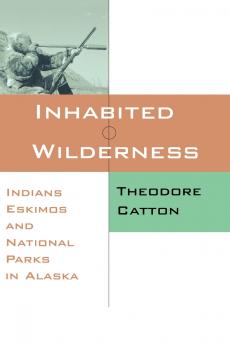
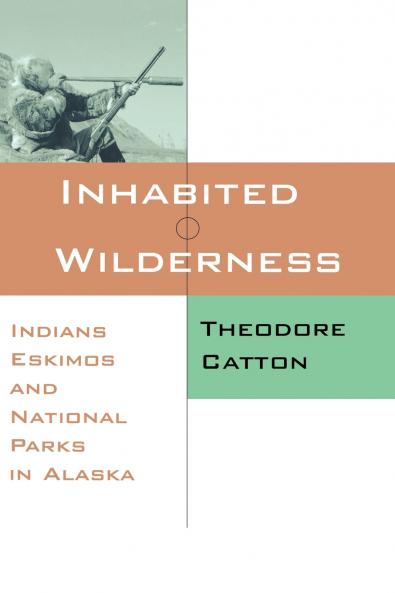
This volume the first in the New American West Series edited by Elliott West explores Alaska's vast national-park system and the evolution of wilderness concepts in the twentieth century. After World War II Alaska's traditional Eskimos Indians and whites still trapped hunted and fished in the forests. Their presence challenged the uninhabited national parks and forced a complex debate over inhabited wilderness. Focusing on three principal national parks--Glacier Bay Denali and Gates of the Arctic--the author explores the idea of inhabited wilderness which culminated in the Alaska National Interest Lands Conservation Act in 1980. Among other units the legislation set aside ten national parks nine of which allow Alaska natives whites included customary and traditional subsistence use.

Piracy-free

Assured Quality

Secure Transactions

Fast Delivery

Sustainably Printed
Details
ISBN 13
9780826318275
Publication Date
-01-10-1997
Pages
-310
Weight
-422 grams
Dimensions
-152x229x17.66 mm
