

English



Paperback
₹6036
₹6407
5.79% OFF
(All inclusive*)
Delivery Options
Please enter pincode to check delivery time.
*COD & Shipping Charges may apply on certain items.
Review final details at checkout.
Looking to place a bulk order? SUBMIT DETAILS
Delivery Options
Please enter pincode to check delivery time.
*COD & Shipping Charges may apply on certain items.
Review final details at checkout.
About The Book
Description
Author
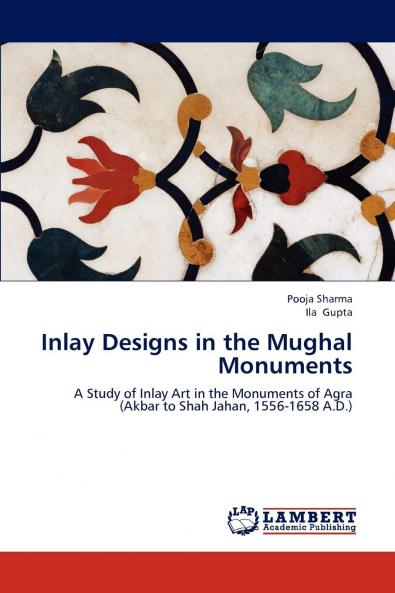
Indian artisanship one of the most creative and richest traditions in the world blossomed rapidly during the reign of the Mughal dynasty (1526 to 1707 A.D.). The study focused on identification of inlay motifs design functionality origin and development of inlay art factors responsible for inlay designs aesthetic philosophy and influence of other arts. In summary the Mughal inlay art was developed indigenously and bloomed during the period of Jahangir. He had introduced a variety of motifs in inlay such as Hindu inlay designs swastikas satkona lotus and Chinese cloud band. Healthy fusion of traditions and cultural aspects of Persian Hindu Islamic and Chinese is also reflected in inlay designs. Artistic presentation of inlay designs with unity harmony and colour symbolism evoked rasas and bhavas (i.e. adbhuta veera shringar shanta karuna and raudra rasas)–which had left a long-lasting impression on the present world of designers artisans and viewers.

Piracy-free

Assured Quality

Secure Transactions

Fast Delivery

Sustainably Printed
Details
ISBN 13
9783847379072
Publication Date
-31-07-2012
Pages
-136
Weight
-195 grams
Dimensions
-150x220x7.59 mm
