


This Book is Out of Stock!
English




Hardback
₹5557
₹6375
12.83% OFF
(All inclusive*)
Delivery Options
*COD & Shipping Charges may apply on certain items.
Review final details at checkout.
Looking to place a bulk order? SUBMIT DETAILS

Piracy-free

Assured Quality

Secure Transactions
About The Book
Description
Author(s)
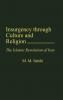
In his case study of the 1979 Islamic revolution Salehi discusses the role of culture and religion in a modern society. The author examines Shi''ism as a vehicle of political activism and dissent and provides an insider''s view of events leading to the 1979 Iranian revolution. . . . The author suggests that modernization theory and single-factor causes of revolution be examined in a holistic manner. . . . Salehi explains that this approach neither ignores nor discounts the significance of facts. The book provides an interesting perspective on the psychological undercurrents of life in an oppressive society. A rich source of information on the Islamic revolution. ChoiceThe Iranian middle class played a historical role in steering Iran into the revolution of 1978. This volume traces the ideological content of the revolution as well as the cultural and political outlooks that forced mass support in different segments of the Iranian middle class. Salehi asserts that potential existed in Iranian society for the outbreak of revolution long before 1978. He addresses the basic question of why the revolution of 1978-79 triumphed with the Shiia clergymen playing a leading role--and ties together the psychological cultural and religious roots of the resolution with class theory. The author''s analysis of personalities events religion class theory and cultural theory should serve as the model not only in the study of Iran but can extend to the analyses of other internal uprisings in the Middle East.
Piracy-free
Assured Quality
Secure Transactions
*COD & Shipping Charges may apply on certain items.
Review final details at checkout.
₹5557
₹6375
12% OFF
Hardback
Out Of Stock
All inclusive*
Details
ISBN 13
9780275929022
Publication Date
-17-10-1988
Pages
-200
Weight
-384 grams
Dimensions
-156x234x12.7 mm
