

English


₹5673
(All inclusive*)
Paperback
Delivery Options
Please enter pincode to check delivery time.
*COD & Shipping Charges may apply on certain items.
Review final details at checkout.
Looking to place a bulk order? SUBMIT DETAILS
Delivery Options
Please enter pincode to check delivery time.
*COD & Shipping Charges may apply on certain items.
Review final details at checkout.
About The Book
Description
Author(s)
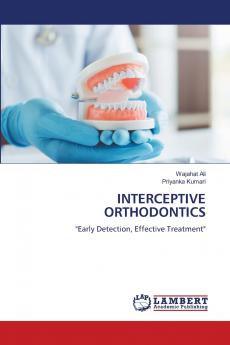
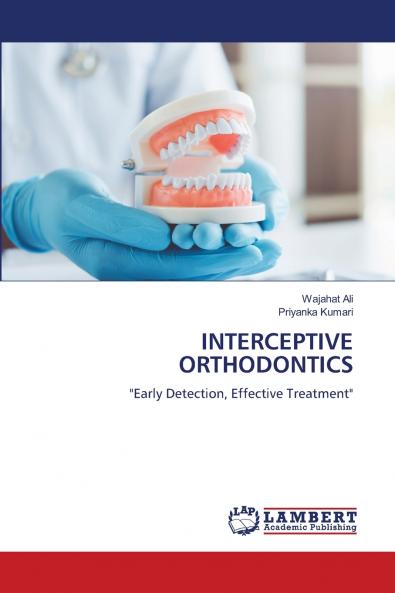
Interceptive orthodontics is effective in reducing the malocclusion even though it does not produce finished quality results. 57% of children are present with an anomaly during the transition phase from deciduous to mixed dentition. In the view of the greater number of malalignments in the deciduous and mixed dentition there is an increased need for preventive and interceptive orthodontic therapy. An interceptive procedure undertaken at the right time can therefore either eliminate a developing malocclusion or make it less severe so as to allow corrective orthodontics to deliver a stable and conservative result in the shortest treatment time possible with least discomfort to the patients.

Piracy-free

Assured Quality

Secure Transactions

Fast Delivery

Sustainably Printed
Details
ISBN 13
9783659860539
Publication Date
-27-02-2025
Pages
-96
Weight
-142 grams
Dimensions
-150x220x5.53 mm
