



Eng





₹5157
₹6014
14.25% OFF
(All inclusive*)
Paperback
Delivery Options
Please enter pincode to check delivery time.
*COD & Shipping Charges may apply on certain items.
Review final details at checkout.
Looking to place a bulk order? SUBMIT DETAILS
Delivery Options
Please enter pincode to check delivery time.
*COD & Shipping Charges may apply on certain items.
Review final details at checkout.
About The Book
Description
Author(s)
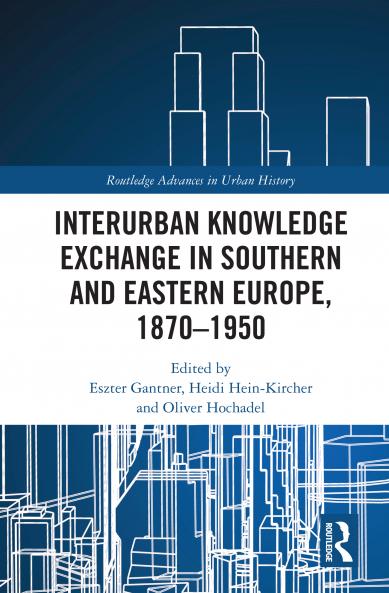
<p>Around 1900 cities in Southern and Eastern Europe were persistently labeled backward and delayed. Allegedly they had no alternative but to follow the role model of the metropolises of London Paris or Vienna. This edited volume fundamentally questions this assumption. It shows that cities as diverse as Barcelona Berdyansk Budapest Lviv Milan Moscow Prague Warsaw and Zagreb pursued their own agendas of modernization. In order to solve their pressing problems with respect to urban planning and public health they searched for best practices abroad. The solutions they gleaned from other cities were eclectic to fit the specific needs of a given urban space and were thus often innovative. This applied urban knowledge was generated through interurban networks and multi-directional exchanges. Yet in the period around 1900 this transnational municipalism often clashed with the forging of urban and national identities highlighting the tensions between the universal and the local.</p><p>This interurban perspective helps to overcome nationalist perspectives in historiography as well as outdated notions of center and periphery. This volume will appeal to scholars from a large number of disciplines including urban historians historians of Eastern and Southern Europe historians of science and medicine and scholars interested in transnational connections.</p>

Piracy-free

Assured Quality

Secure Transactions

Fast Delivery

Sustainably Printed
Details
ISBN 13
9780367609580
Publication Date
-01-08-2022
Pages
-330
Weight
-448 grams
Dimensions
-151.892x229.108x17.55375 mm
