



English




Hardback
₹1920
(All inclusive*)
Delivery Options
Please enter pincode to check delivery time.
*COD & Shipping Charges may apply on certain items.
Review final details at checkout.
Looking to place a bulk order? SUBMIT DETAILS
Delivery Options
Please enter pincode to check delivery time.
*COD & Shipping Charges may apply on certain items.
Review final details at checkout.
About The Book
Description
Author
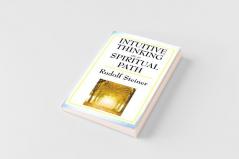
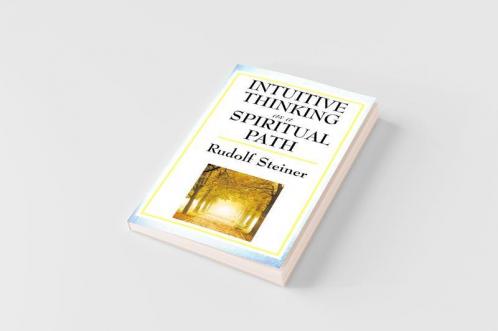
<p><strong><em>Intuitive Thinking as a Spiritual Path</em> is Rudolf Steiner's central philosophical work on freedom consciousness knowledge and the spiritual activity of thinking.</strong> Written before the formal development of anthroposophy the book sets out Steiner's argument that human freedom is not merely a social or political condition but an inner achievement grounded in self-aware thinking. Against both passive materialism and abstract speculation Steiner presents thinking itself as an active path toward knowledge of the self the world and moral life.</p><p>First published in 1894 as <em>Die Philosophie der Freiheit</em> the work is also known in English as <em>The Philosophy of Freedom</em>. SteinerBooks describes it as a phenomenological account of observing the human soul according to methods of natural science and as a foundational text for anthroposophy. Its importance lies in the bridge it builds between philosophy and spiritual practice: perception concept intuition will ethical individualism and free spiritual activity are treated not as isolated doctrines but as stages in a disciplined inquiry into how human beings know and act. </p><p>For readers of Rudolf Steiner anthroposophy Western esotericism philosophy of mind metaphysics and spiritual approaches to self-knowledge <em>Intuitive Thinking as a Spiritual Path</em> remains one of Steiner's indispensable works: difficult original and central to understanding his later writings on education spirituality science and human freedom.</p>

Piracy-free

Assured Quality

Secure Transactions

Fast Delivery

Sustainably Printed
Details
ISBN 13
9781515436607
Publication Date
-03-04-2018
Pages
-136
Weight
-283 grams
Dimensions
-152x229x9.29 mm
