

English


Paperback
₹5985
(All inclusive*)
Delivery Options
Please enter pincode to check delivery time.
*COD & Shipping Charges may apply on certain items.
Review final details at checkout.
Looking to place a bulk order? SUBMIT DETAILS
Delivery Options
Please enter pincode to check delivery time.
*COD & Shipping Charges may apply on certain items.
Review final details at checkout.
About The Book
Description
Author
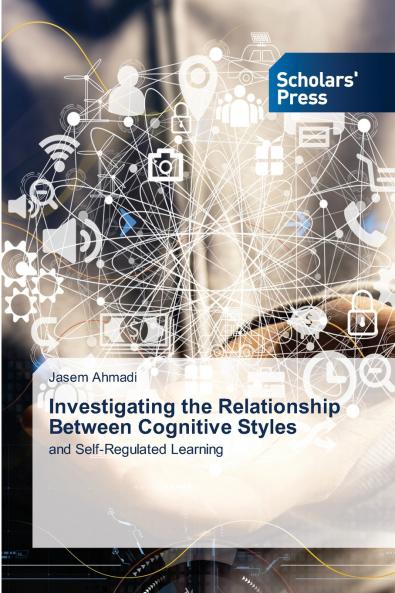
Shonkov and Phillips define self-regulation as the child's ability to gain control over bodily functions manage emotions and maintain attention and concentration and believe that the development of self-regulation is the basis of early childhood development and is evident in all aspects of behavior. According to Bandura self-regulation is related to health promotion and is of particular importance in health control. This book has a 5 chapters including: Chapter I The Effect of Teaching Self-Regulated Learning Strategies on Students' Mental Health; Chapter II Exploring Cognitive Styles; Chapter III The Relationship between Self-Regulated Learning Strategies and Motivational Beliefs with Students' Academic Achievement; Chapter IV The Relationship between Teachers' Classroom Management Style and Self-Regulated Learning and Academic Achievement; Chapter V The Relationship between Self-Regulated Learning and Academic Expectation with Test Anxiety in Students; and References.

Piracy-free

Assured Quality

Secure Transactions

Fast Delivery

Sustainably Printed
Details
ISBN 13
9783639665581
Publication Date
-24-01-2025
Pages
-120
Weight
-174 grams
Dimensions
-150x220x6.77 mm
