

English


₹5428
₹6244
13.07% OFF
(All inclusive*)
Paperback
Delivery Options
Please enter pincode to check delivery time.
*COD & Shipping Charges may apply on certain items.
Review final details at checkout.
Looking to place a bulk order? SUBMIT DETAILS
Delivery Options
Please enter pincode to check delivery time.
*COD & Shipping Charges may apply on certain items.
Review final details at checkout.
About The Book
Description
Author
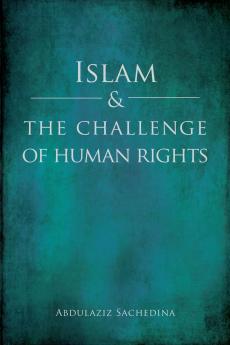
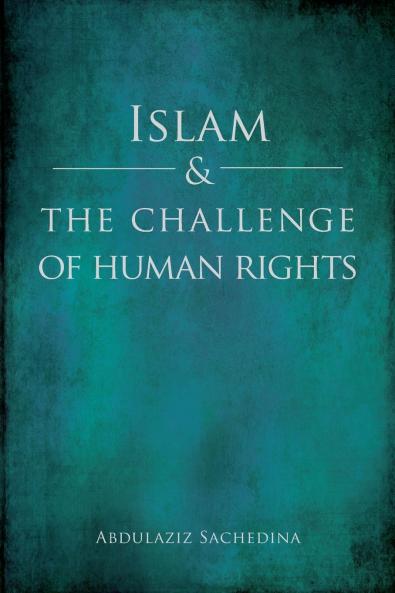
In 1948 the General Assembly of the United Nations adopted and proclaimed the International Declaration of Human Rights a document designed to hold both individuals and nations accountable for their treatment of fellow human beings regardless of religious or cultural affiliations. Since then the compatibility of Islam and human rights has emerged as a particularly thorny issue of international concern and has been addressed by Muslim rulers conservatives and extremists as well as Western analysts and policymakers all have commonly agreed that Islamic theology and human rights cannot coexist.Abdulaziz Sachedina rejects this informal consensus arguing instead for the essential compatibility of Islam and human rights. He offers a balanced and incisive critique of Western experts who have ignored or underplayed the importance of religion to the development of human rights contending that any theory of universal rights necessarily emerges out of particular cultural contexts. At the same time he re-examines the juridical and theological traditions that form the basis of conservative Muslim objections to human rights arguing that Islam like any culture is open to development and change. Finally and most importantly Sachedina articulates a fresh position that argues for a correspondence between Islam and secular notions of human rights. Salient Features Makes an original argument about the essential compatibility of Islamic theology and human rightsTable of Contents: Clash of Universalism Secular and Religious in Human Rights The Nature of Islamic Ethical-Juridical Discourse Natural Law and Knowledge of Ethical Necessity The Dignity and Capacities of Women as Equal Bearers of Human RightsIndividial and Society Claims and Responsibilities Freedom of Religion and Conscience The Foundation of Pluralistic World OrderNotesSelect BibliographyIndex

Piracy-free

Assured Quality

Secure Transactions

Fast Delivery

Sustainably Printed
Details
ISBN 13
9780199347179
Publication Date
-01-03-2014
Pages
-266
Weight
-383 grams
Dimensions
-156x234x15.27 mm
