


English


Paperback
₹1228
₹1550
20.77% OFF
(All inclusive*)
Delivery Options
Please enter pincode to check delivery time.
*COD & Shipping Charges may apply on certain items.
Review final details at checkout.
Looking to place a bulk order? SUBMIT DETAILS

Piracy-free

Assured Quality

Secure Transactions
About The Book
Description
Author
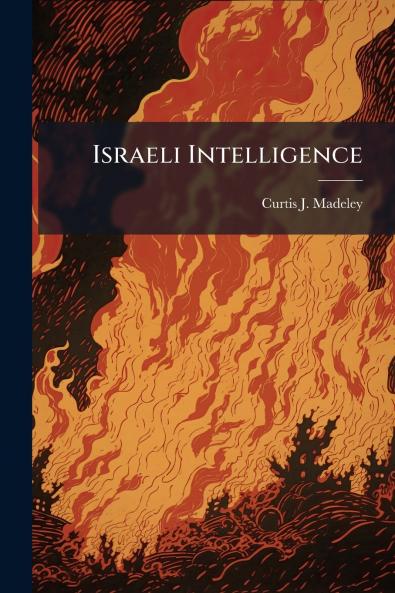
<p>This thesis uses the Israeli intelligence community's 60-year struggle to combat terrorism to identify lessons the United States can learn from as it develops and matures its own counterterrorism policy and strategy. It highlights several counterterrorism examples in Israel's recent history and examines the role intelligence played in their success or failure. Additionally this paper looks at intelligence reforms various investigative bodies in Israel have recommended since the late 1990s to combat terrorism. From these examples and others Israeli intelligence has brought to light many lessons learned for combating terrorism. This study identifies four. First because of the flexibility terrorist groups enjoy the intelligence enterprise must be designed with inherent flexibility and adaptability in order to combat this threat. Second while human intelligence (HUMINT) is seen as increasingly important in countering terrorism a balance must be struck between reliance on traditional intelligence disciplines and collection methods such as HUMINT and high-technology means. Both are essential and more effective when used in concert with each other. Third decision makers can benefit from policy advice from the Intelligence Community. It is extremely important however that each understand its role with clear delineations of responsibility established understood and followed. Last with respect to counterterrorism intelligence the Intelligence Community must not silence alternative views. Dissenting opinions are essential when fighting an elusive threat that is as difficult to understand as terrorism.</p><p>This work has been selected by scholars as being culturally important and is part of the knowledge base of civilization as we know it. This work was reproduced from the original artifact and remains as true to the original work as possible. Therefore you will see the original copyright references library stamps (as most of these works have been housed in our most important libraries around the world) and other notations in the work.</p><p>This work is in the public domain in the United States of America and possibly other nations. Within the United States you may freely copy and distribute this work as no entity (individual or corporate) has a copyright on the body of the work.</p><p>As a reproduction of a historical artifact this work may contain missing or blurred pages poor pictures errant marks etc. Scholars believe and we concur that this work is important enough to be preserved reproduced and made generally available to the public. We appreciate your support of the preservation process and thank you for being an important part of keeping this knowledge alive and relevant.</p><br>
Piracy-free
Assured Quality
Secure Transactions
Delivery Options
Please enter pincode to check delivery time.
*COD & Shipping Charges may apply on certain items.
Review final details at checkout.
Details
ISBN 13
9781025106281
Publication Date
-22-05-2025
Pages
-50
Weight
-87 grams
Dimensions
-156x234x2.63 mm
