


This Book is Out of Stock!
English


Paperback
₹999
₹1057
5.49% OFF
(All inclusive*)
Delivery Options
*COD & Shipping Charges may apply on certain items.
Review final details at checkout.
Looking to place a bulk order? SUBMIT DETAILS
*COD & Shipping Charges may apply on certain items.
Review final details at checkout.
₹999
₹1057
5% OFF
Paperback
Out Of Stock
All inclusive*
About The Book
Description
Author
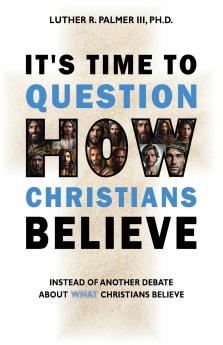
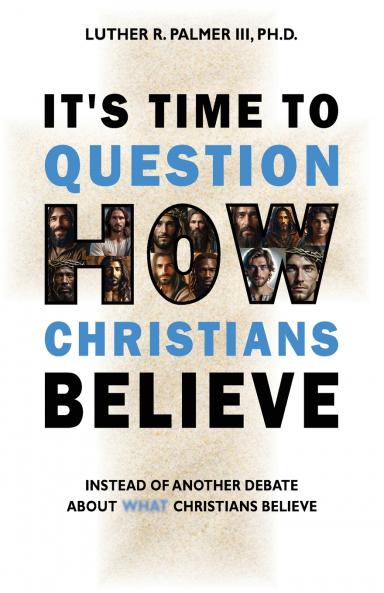
<p>A bold and thought-provoking exploration that flips the script on centuries of debate about Christianity challenging readers to reconsider not just what they believe but how they come to believe it.</p><p></p><p>A compelling and deeply insightful journey into how beliefs are formed exposing the hidden flaws in faith-based thinking.</p><p></p><p><strong>Many debates focus on WHAT Christians believe but it's time to question HOW Christians believe.</strong></p><p></p><p>A controlled double-blind randomized trial is a complex labor-intensive process developed over centuries to combat the ways subjective bias can corrupt the pursuit of knowledge. Christian practice by contrast hasn't changed in thousands of years. Today's Christians access God much like their ancient counterparts through tools such as prayer scripture miracles faith prophecy and spiritual discernment.</p><p></p><p>The kindest most compassionate Christian and the cruelest most insensitive believer both share a belief in the efficacy of these tools - the <strong>how</strong> of Christianity - yet each sees the other as a prime example of how vulnerable these tools are to subjective biases traditions desires fears and social influences. Despite this in all my decades as a Christian I never encountered a substantive discussion about how these vulnerabilities shape what we believe about God ourselves and the universe - and ultimately whether these tools can be trusted.</p><p></p><p>This is that discussion. <strong>Does Christianity have a problematic how?</strong></p><p></p><p>In this thought-provoking book Luther Palmer invites readers on a deeply personal and intellectual journey through his departure from Christianity. Drawing on years of reflection Palmer dissects the how behind Christian beliefs questioning the processes by which beliefs are formed and maintained and then also questioning the role of faith itself. With a compassionate yet critical lens he explores the vulnerabilities of personal experiences subjective interpretations and unverifiable spiritual encounters that underpin religious convictions. This critique isn't born out of trauma or loss but rather a reasoned examination of Christian practice and its impact on personal and communal life.</p><p>Palmer's exploration goes beyond critiquing Christianity itself as he delves into the universal human tendency to rely on incomplete and biased perspectives in belief formation. The book challenges readers to reconsider how truth and knowledge are constructed asking difficult questions about faith reality and the consequences of adherence to tradition. A compelling read for believers skeptics and anyone interested in the deeper how of human understanding this book offers fresh insight into the importance of critical thinking in navigating faith and truth.</p>

Piracy-free

Assured Quality

Secure Transactions

Fast Delivery

Sustainably Printed
Details
ISBN 13
9798991526319
Publication Date
-01-01-2025
Pages
-176
Weight
-215 grams
Dimensions
-140x216x9.32 mm
