


This Book is Out of Stock!
English


Paperback
₹2249
(All inclusive*)
Delivery Options
*COD & Shipping Charges may apply on certain items.
Review final details at checkout.
Looking to place a bulk order? SUBMIT DETAILS

Piracy-free

Assured Quality

Secure Transactions
About The Book
Description
Author
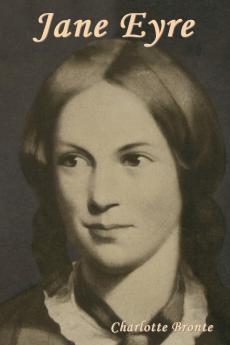
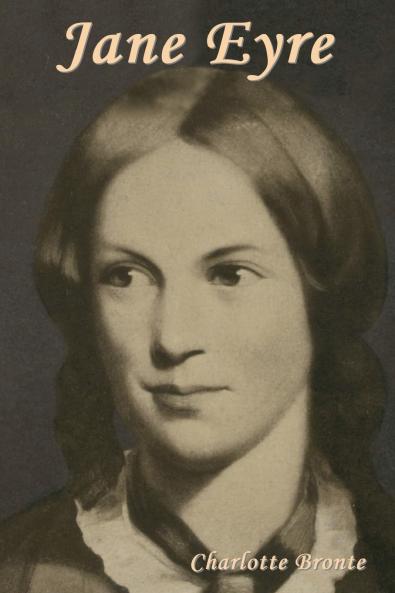
<p>Jane Eyre (originally published as Jane Eyre: An Autobiography) is a novel by the English writer Charlotte Bronte. It was published under her pen name Currer Bell on 19 October 1847 by Smith Elder &amp; Co. of London. The first American edition was published the following year by Harper &amp; Brothers of New York. Jane Eyre is a Bildungsroman which follows the experiences of its eponymous heroine including her growth to adulthood and her love for Mr Rochester the brooding master of Thornfield Hall.</p><p>&nbsp;</p><p>The novel revolutionised prose fiction by being the first to focus on its protagonist's moral and spiritual development through an intimate first-person narrative where actions and events are coloured by a psychological intensity. Charlotte Brontë has been called the first historian of the private consciousness and the literary ancestor of writers like Marcel Proust and James Joyce.</p><p>&nbsp;</p><p>The book contains elements of social criticism with a strong sense of Christian morality at its core and it is considered by many to be ahead of its time because of Jane's individualistic character and how the novel approaches the topics of class sexuality religion and feminism. It along with Jane Austen's Pride and Prejudice is one of the most famous romance novels.</p><p>&nbsp;</p><p>Jane Eyre's initial reception contrasts starkly to its reputation today. In 1848 Elizabeth Rigby (later Elizabeth Eastlake) reviewing Jane Eyre in The Quarterly Review found it pre-eminently an anti-Christian composition declaring: We do not hesitate to say that the tone of mind and thought which has overthrown authority and violated every code human and divine abroad and fostered Chartism and rebellion at home is the same which has also written Jane Eyre.</p><p>&nbsp;</p><p>An anonymous review in The Mirror of Literature Amusement and Instruction writes of the extraordinary daring of the writer of Jane Eyre however the review is mostly critical summarizing: There is not a single natural character throughout the work. Everybody moves on stilts-the opinions are bad-the notions absurd. Religion is stabbed in the dark-our social distinctions attempted to be levelled and all absurdly moral notions done away with.</p><p>&nbsp;</p><p>There were some who felt more positive about the novel contemporaneously like George Henry Lewes who said it reads like a page out of one's own life; and so do many other pages in the book. Another critic from the Atlas wrote It is full of youthful vigour of freshness and originality of nervous diction and concentrated interest ...It is a book to make the pulses gallop and the heart beat and to fill the eyes with tears.</p><p>&nbsp;</p><p>A review in The Era praised the novel calling it an extraordinary book observing that: There is much to ponder over rejoice over and weep over in its ably-written pages. Much of the heart laid bare and the mind explored; much of greatness in affliction and littleness in the ascendant; much of trial and temptation of fortitude and resignation of sound sense and Christianity-but no tameness.</p><p>&nbsp;</p><p>The People's Journal compliments the novel's vigour stating that The reader never tires never sleeps: the swell and tide of an affluent existence an irresistible energy bears him onward from first to last. It is impossible to deny that the author possesses native power in an uncommon degree-showing itself now in rapid headlong recital now in stern fierce daring dashes in portraiture-anon in subtle startling mental anatomy-here in a grand illusion there in an original metaphor-again in a wild gush of genuine poetry. (Wikipedia.org)</p>
Piracy-free
Assured Quality
Secure Transactions
*COD & Shipping Charges may apply on certain items.
Review final details at checkout.
₹2249
Out Of Stock
All inclusive*
Details
ISBN 13
9798889420781
Publication Date
-02-02-2023
Pages
-372
Weight
-503 grams
Dimensions
-152x229x23.51 mm
