

English


Hardback
₹11427
(All inclusive*)
Delivery Options
Please enter pincode to check delivery time.
*COD & Shipping Charges may apply on certain items.
Review final details at checkout.
Looking to place a bulk order? SUBMIT DETAILS

Piracy-free

Assured Quality

Secure Transactions
About The Book
Description
Author
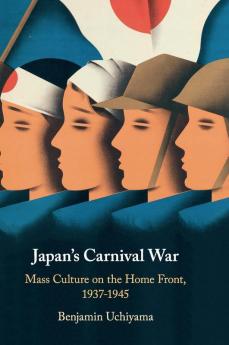
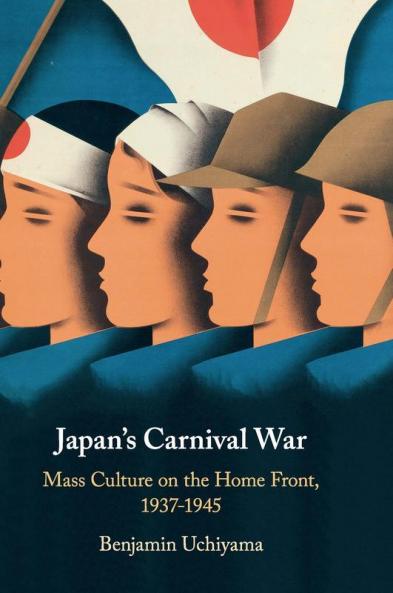
Japan in the Asia-Pacific War years is usually remembered for economic deprivation political repression and cultural barrenness. Benjamin Uchiyama argues that although the war created the opportunity for the state to expand its control over society and mass culture it also fractured Japanese people''s sense of identity spilling out through a cultural framework which is best understood as ''carnival war''. In this cultural history we are introduced to five symbolic figures: the thrill-seeking reporter the defiant munitions worker the tragic soldier the elusive movie star and the glamorous youth aviator. Together they represent both the suppression and proliferation of cultural life in wartime Japan and demonstrate that ''carnival war'' coexisted with total war to promote consumerist desire versus sacrifice fantasy versus nightmare and beauty versus horror. Ultimately Uchiyama argues this duality helped mobilize home front support for the war effort.
Piracy-free
Assured Quality
Secure Transactions
Delivery Options
Please enter pincode to check delivery time.
*COD & Shipping Charges may apply on certain items.
Review final details at checkout.
Details
ISBN 13
9781107186743
Publication Date
-14-03-2019
Pages
-294
Weight
-487 grams
Dimensions
-151.89x228.09x17.1 mm
