

English


Paperback
₹3042
₹3636
16.34% OFF
(All inclusive*)
Delivery Options
Please enter pincode to check delivery time.
*COD & Shipping Charges may apply on certain items.
Review final details at checkout.
Looking to place a bulk order? SUBMIT DETAILS
Delivery Options
Please enter pincode to check delivery time.
*COD & Shipping Charges may apply on certain items.
Review final details at checkout.
About The Book
Description
Author
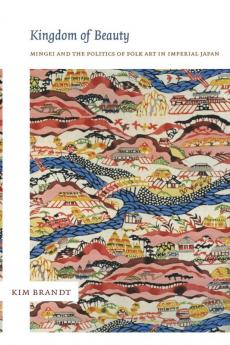
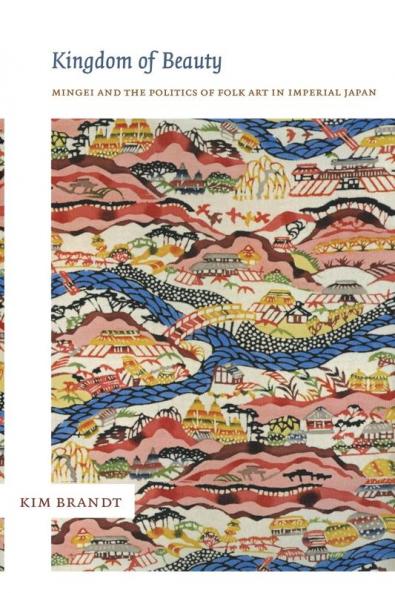
<div>A Study of the Weatherhead East Asian Institute Columbia University<br><i><br>Kingdom of Beauty</i> shows that the discovery of <i>mingei</i> (folk art) by Japanese intellectuals in the 1920s and 1930s was central to the complex process by which Japan became both a modern nation and an imperial world power. Kim Brandt's account of the mingei movement locates its origins in colonial Korea where middle-class Japanese artists and collectors discovered that imperialism offered them special opportunities to amass art objects and gain social cultural and even political influence. Later mingei enthusiasts worked with (and against) other groups-such as state officials fascist ideologues rival folk art organizations local artisans newspaper and magazine editors and department store managers-to promote their own vision of beautiful prosperity for Japan Asia and indeed the world. In tracing the history of mingei activism Brandt considers not only Yanagi Muneyoshi Hamada Shōji Kawai Kanjirō and other well-known leaders of the folk art movement but also the often overlooked networks of provincial intellectuals craftspeople marketers and shoppers who were just as important to its success. The result of their collective efforts she makes clear was the transformation of a once-obscure category of pre-industrial rural artifacts into an icon of modern national style.</div>

Piracy-free

Assured Quality

Secure Transactions

Fast Delivery

Sustainably Printed
Details
ISBN 13
9780822340003
Publication Date
-20-07-2007
Pages
-320
Weight
-435 grams
Dimensions
-152x229x17 mm
