

English


Paperback
₹5750
₹6568
12.45% OFF
(All inclusive*)
Delivery Options
Please enter pincode to check delivery time.
*COD & Shipping Charges may apply on certain items.
Review final details at checkout.
Looking to place a bulk order? SUBMIT DETAILS
Delivery Options
Please enter pincode to check delivery time.
*COD & Shipping Charges may apply on certain items.
Review final details at checkout.
About The Book
Description
Author(s)
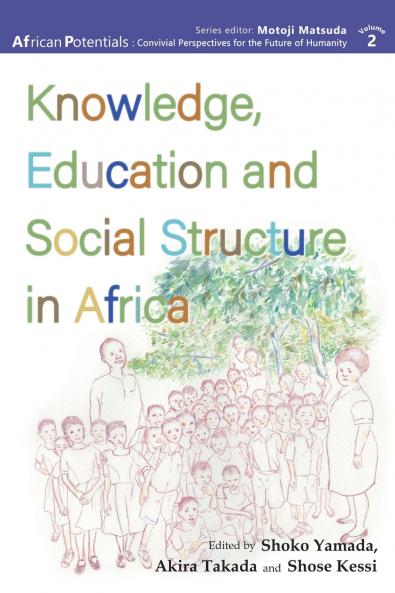
<p>In searching for the potential that lies in African societies the chapters of this volume consider relationships between knowledge education and social structure from multiple angles from a macro-continental scale to national education systems schools and local communities. The themes that cut across the chapters include education as a mode of transmitting values the contrasting effects of school credentials and knowledge for use politics and interactions among people surrounding a school and knowledge acquisition as a subjective process. The rich empirical analyses suggest that the subjective commitment of and mutuality among people will make the acquired knowledge a powerful 'tool for conviviality' to realize a stable life even given the turmoil created by rapid institutional and environmental changes that confront African societies.</p>

Piracy-free

Assured Quality

Secure Transactions

Fast Delivery

Sustainably Printed
Details
ISBN 13
9789956551217
Publication Date
-13-04-2021
Pages
-388
Weight
-524 grams
Dimensions
-152x229x20.3 mm
