


English




Hardback
₹12133
(All inclusive*)
Delivery Options
Please enter pincode to check delivery time.
*COD & Shipping Charges may apply on certain items.
Review final details at checkout.
Looking to place a bulk order? SUBMIT DETAILS

Piracy-free

Assured Quality

Secure Transactions
About The Book
Description
Author(s)
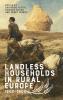
The numbers of landless people - those lacking formal rights to land or possessing only tiny smallholdings - grew rapidly across post-medieval Europe as rural population and economic growth divided landowners and farmers from (increasingly) landless rural workers. But they have hitherto been relatively neglected a gap which this volume covering Scandinavia Germany Austria Netherlands Belgium Britain France and Spain from the sixteenth to the early twentieth centuries aims to fill making creative use of a diverse range of unexplored sources. Instead of concentrating on the well-documented cases of landholding peasants it explores the many different experiences of the numerous rural landless. It explains how their households were formed (often in the face of economic difficulties and official hostility) how all the members of a family contributed to its survival how the landless related to other social groups and negotiated access to vital resources and how they adapted as rural society was changed by war politics agrarian and industrial development government policy and welfare systems.<br/><br/>Contributors: Arnau Barquer i Cerdà John Broad ⴕ Dieter Bruneel Christine Fertig Henry French Margareth Lanzinger Jonas Lindström Riikka Miettinen Richard Paping Wouter Ronsijn Merja Uotila Nadine Vivier
Piracy-free
Assured Quality
Secure Transactions
Delivery Options
Please enter pincode to check delivery time.
*COD & Shipping Charges may apply on certain items.
Review final details at checkout.
Details
ISBN 13
9781783277223
Publication Date
-19-07-2022
Pages
-348
Weight
-587 grams
Dimensions
-156x234x20.64 mm
