



English



Hardback
₹15097
₹18960
20.37% OFF
(All inclusive*)
Delivery Options
Please enter pincode to check delivery time.
*COD & Shipping Charges may apply on certain items.
Review final details at checkout.
Looking to place a bulk order? SUBMIT DETAILS
Delivery Options
Please enter pincode to check delivery time.
*COD & Shipping Charges may apply on certain items.
Review final details at checkout.
About The Book
Description
Author
Shoutouts
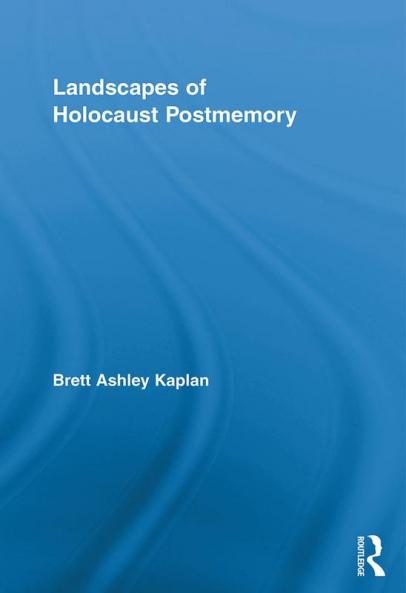
<p>How do the spaces of the past stay with us through representations—whether literary or photographic? How has the Holocaust registered in our increasingly globally connected consciousness? What does it mean that this European event is often used as an interpretive or representational touchstone for genocides and traumas globally? In this interdisciplinary study Kaplan asks and attempts to answer these questions by looking at historically and geographically diverse spaces photographs and texts concerned with the physical and/or mental landscape of the Holocaust and its transformations from the postwar period to the early twenty-first century. Examining the intersections of landscape postmemory and trauma Kaplan's text offers a significant contribution to our understanding of the spatial visual and literary reach of the Holocaust.</p>

Piracy-free

Assured Quality

Secure Transactions

Fast Delivery

Sustainably Printed
Details
ISBN 13
9780415874762
Publication Date
-26-07-2010
Pages
-272
Weight
-461 grams
Dimensions
-152x229x15.97 mm
