

by
John Lok
English
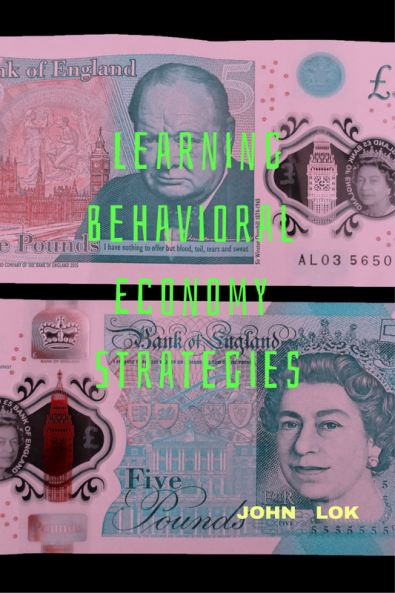



Paperback
₹351
₹390
10% OFF
(All inclusive*)
Delivery Options
Please enter pincode to check delivery time.
*COD & Shipping Charges may apply on certain items.
Review final details at checkout.
Looking to place a bulk order? SUBMIT DETAILS
Delivery Options
Please enter pincode to check delivery time.
*COD & Shipping Charges may apply on certain items.
Review final details at checkout.
About The Book
Description
Author
<p>Behavioral economics represents a departure from the classical rational actor model-often referred to as Homo economicus-by integrating psychological insights into the study of financial decision-making.</p><p>My view focus on organizational challenges and strategic problem-solving the broader field of behavioral finance explains how cognitive biases influence market participants.</p><p>By applying these financial frameworks researchers can explain why investors hold onto losing stocks for too long (the disposition effect) or why they overreact to market news.</p><p>My approach to organizational strategy mirrors this by suggesting that if leaders can predict behavioral challenges-such as groupthink or cognitive biases in capital allocation-they can implement strategies to mitigate organizational failure and improve efficiency.</p>

Piracy-free

Assured Quality

Secure Transactions

Fast Delivery

Sustainably Printed
Details
ISBN 13
9798887494289
Publication Date
-07-07-2022
Pages
-350
Weight
-352 grams
Dimensions
-127x203.2x18.58 mm
