

English


Hardback
₹5286
₹5818
9.14% OFF
(All inclusive*)
Delivery Options
Please enter pincode to check delivery time.
*COD & Shipping Charges may apply on certain items.
Review final details at checkout.
Looking to place a bulk order? SUBMIT DETAILS
Delivery Options
Please enter pincode to check delivery time.
*COD & Shipping Charges may apply on certain items.
Review final details at checkout.
About The Book
Description
Author
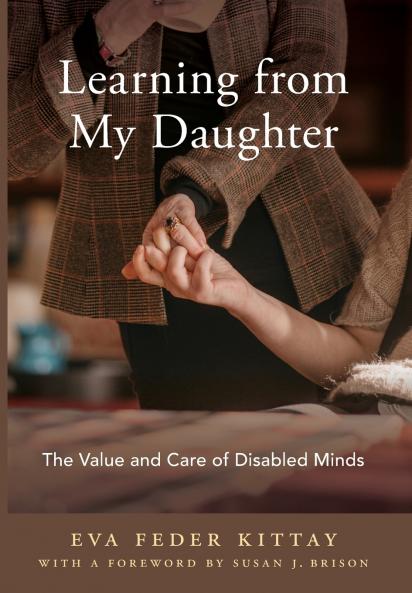
Does life have meaning? What is flourishing? How do we attain the good life? Philosophers and many others of us have explored these questions for centuries. As Eva Feder Kittay points out however there is a flaw in the essential premise of these questions: they seem oblivious to the very<br>nature of the ways in which humans live omitting a world of co-dependency and of the fact that we live in and through our bodies whether they are fully abled or disabled. Our dependent vulnerable messy changeable and embodied experience colors everything about our lives both on the surface<br>and when it comes to deeper concepts but we tend to leave aside the body for the mind when it comes to philosophical matters. Disability offers a powerful challenge to long-held philosophical views about the nature of the good life what provides meaning in our lives and the centrality of reason <br>as well as questions of justice dignity and personhood. These concepts need not be distant and idealized; the answers are right before us in the way humans interact with one another care for one another and need one another--whether they possess full mental capacities or have cognitive<br>limitations. We need to revise our concepts of things like dignity and personhood in light of this important correction Kittay argues. <p/>This is the first of two books in which Kittay will grapple with just how we need to revisit core philosophical ideas in light of disabled people's experience and way of being in the world. Kittay an award-winning philosopher who is also the mother to a multiply-disabled daughter interweaves the<br>personal voice with the philosophical as a critical method of philosophical investigation. Here she addresses why cognitive disability can reorient us to what truly matters and questions the centrality of normalcy as part of a good life. With profound sensitivity and insight Kittay examines other<br>difficult topics: How can we look at the ethical questions regarding prenatal testing in light of a new appreciation of the personhood of disabled people? What do new possibilities in genetic testing imply for understanding disability the family and bioethics? How can we reconsider the importance<br>of care and how does it work best? In the process of pursuing these questions Kittay articulates an ethic of care which is the ethical theory most useful for claiming full rights for disabled people and providing the opportunities for everyone to live joyful and fulfilling lives. She applies the<br>lessons of care to the controversial alteration of severely cognitively disabled children known as the Ashley Treatment whereby a child's growth is halted with extensive estrogen treatment and related bodily interventions are justified. <p/>This book both imparts lessons that advocate on behalf of those with significant disabilities and constructs a moral theory grounded on our ability to give receive and share care and love. Above all it aims to adjust social attitudes and misconceptions about life with disability.<br>

Piracy-free

Assured Quality

Secure Transactions
Details
ISBN 13
9780190844608
Publication Date
-01-04-2019
Pages
-304
Weight
-527 grams
Dimensions
-156x234x17.46 mm
