



This Book is Out of Stock!
English






Paperback
₹3418
₹3599
5.03% OFF
(All inclusive*)
Delivery Options
*COD & Shipping Charges may apply on certain items.
Review final details at checkout.
Looking to place a bulk order? SUBMIT DETAILS

Piracy-free

Assured Quality

Secure Transactions
About The Book
Description
Author
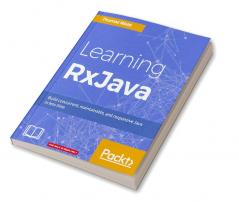
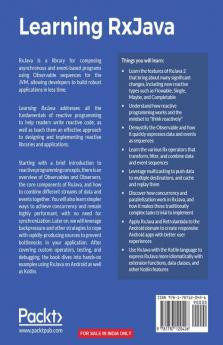
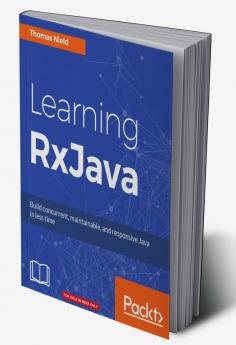
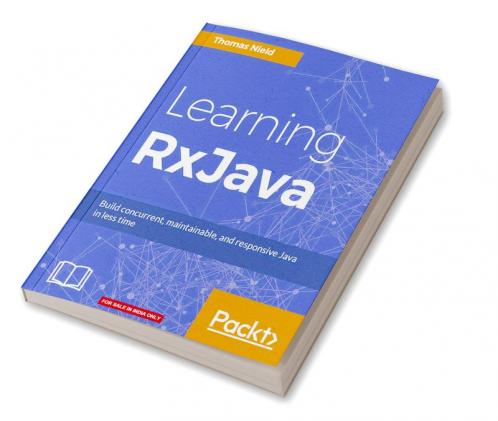
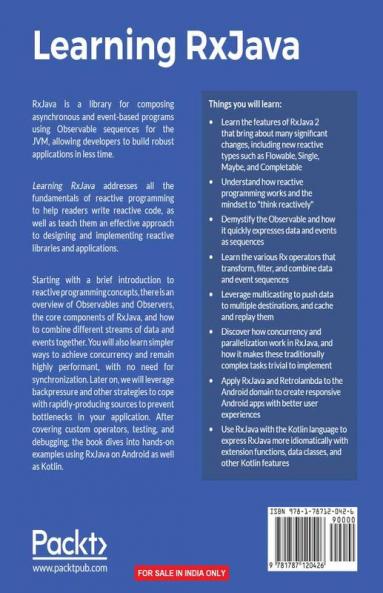
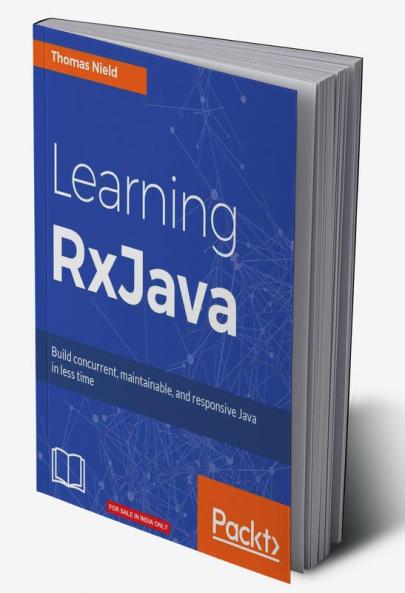
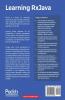
Reactive Programming with Java and ReactiveX About This Book.Explore the essential tools and operators RxJava provides and know which situations to use them in.Delve into Observables and Subscribers the core components of RxJava used for building scalable and performant reactive applications.Delve into the practical implementation of tools to effectively take on complex tasks such as concurrency and backpressure Who This Book Is For The primary audience for this book is developers with at least a fundamental mastery of Java. Some readers will likely be interested in RxJava to make programs more resilient concurrent and scalable. Others may be checking out reactive programming just to see what it is all about and to judge whether it can solve any problems they may have. What You Will Learn.Learn the features of RxJava 2 that bring about many significant changes including new reactive types such as Flowable Single Maybe and Completable.Understand how reactive programming works and the mindset to think reactively.Demystify the Observable and how it quickly expresses data and events as sequences.Learn the various Rx operators that transform filter and combine data and event sequences.Leverage multicasting to push data to multiple destinations and cache and replay them.Discover how concurrency and parallelization work in RxJava and how it makes these traditionally complex tasks trivial to implement.Apply RxJava and Retrolambda to the Android domain to create responsive Android apps with better user experiences.Use RxJava with the Kotlin language to express RxJava more idiomatically with extension functions data classes and other Kotlin features In Detail RxJava is a library for composing asynchronous and event-based programs using Observable sequences for the JVM allowing developers to build robust applications in less time. Learning RxJava addresses all the fundamentals of reactive programming to help readers write reactive code as well as teach them an effective approach to designing and implementing reactive libraries and applications. Starting with a brief introduction to reactive programming concepts there is an overview of Observables and Observers the core components of RxJava and how to combine different streams of data and events together. You will also learn simpler ways to achieve concurrency and remain highly performant with no need for synchronization. Later on we will leverage backpressure and other strategies to cope with rapidly-producing sources to prevent bottlenecks in your application. After covering custom operators testing and debugging the book dives into hands-on examples using RxJava on Android as well as Kotlin. Style and approach This book will be different from other Rx books taking an approach that comprehensively covers Rx concepts and practical applications. About the Author Thomas Nield (author of Getting Started with SQL by OReilly) has a business analyst background and works at Southwest Airlines in Revenue Management. Thomas uses RxJAva daily in his daily work. Early in his career he became fascinated with technology and learned Java Kotlin Python reactive programming and database design. He is passionate about sharing what he learns with others even if they do not work in technology and enjoys making technical content relatable and relevant to those unfamiliar with or intimidated by it. Thomas has written reactive applications that generate revenue for the entire Southwest Airlines network. He is the maintainer of RxJavaFX and RxKotlinFX and writes a popular blog covering RxJava and other topics.
Piracy-free
Assured Quality
Secure Transactions
*COD & Shipping Charges may apply on certain items.
Review final details at checkout.
₹3418
₹3599
5% OFF
Paperback
Out Of Stock
All inclusive*
Details
ISBN 13
9781787120426
Publication Date
-21-06-2017
Pages
-400
Weight
-696 grams
Dimensions
-191x235x21.15 mm
