

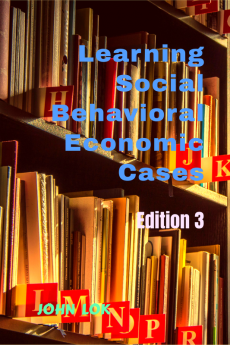
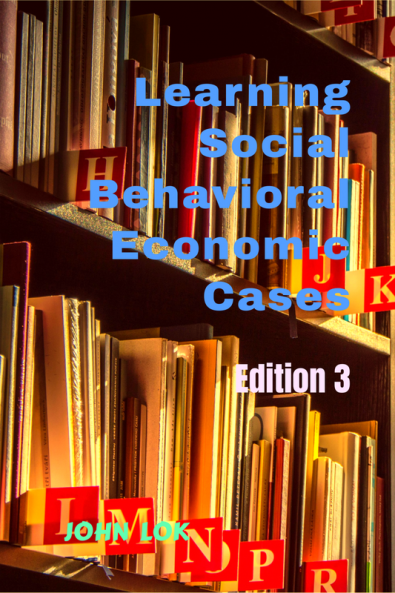
by
John Lok
English


Paperback
₹422
₹1799
76.54% OFF
(All inclusive*)
Delivery Options
Please enter pincode to check delivery time.
*COD & Shipping Charges may apply on certain items.
Review final details at checkout.
Looking to place a bulk order? SUBMIT DETAILS
Delivery Options
Please enter pincode to check delivery time.
*COD & Shipping Charges may apply on certain items.
Review final details at checkout.
About The Book
Description
Author
<p>My view argues that robots provide a stable predictable environment that allows individuals to practice social skills without the anxiety associated with human judgment.</p><p>This social buffering effect enables users to develop emotional intelligence and cooperative strategies that they can then transfer to their interactions with other humans.</p><p>Furthermore the application of behavioral nudges-a core concept in the work of Thaler and Sunstein-is amplified when delivered by robotic agents as these agents can tailor interventions in real-time based on the user's specific behavioral patterns.</p>

Piracy-free

Assured Quality

Secure Transactions

Fast Delivery

Sustainably Printed
Details
ISBN 13
9798887724959
Publication Date
-27-07-2022
Pages
-430
Weight
-502 grams
Dimensions
-139.7x215.9x23.66 mm
