

English


₹13346
₹17194
22.38% OFF
(All inclusive*)
Hardback
Delivery Options
Please enter pincode to check delivery time.
*COD & Shipping Charges may apply on certain items.
Review final details at checkout.
Looking to place a bulk order? SUBMIT DETAILS
Delivery Options
Please enter pincode to check delivery time.
*COD & Shipping Charges may apply on certain items.
Review final details at checkout.
About The Book
Description
Author(s)
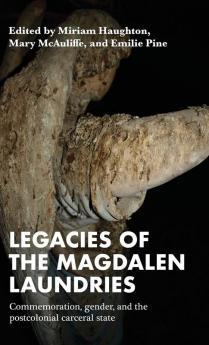
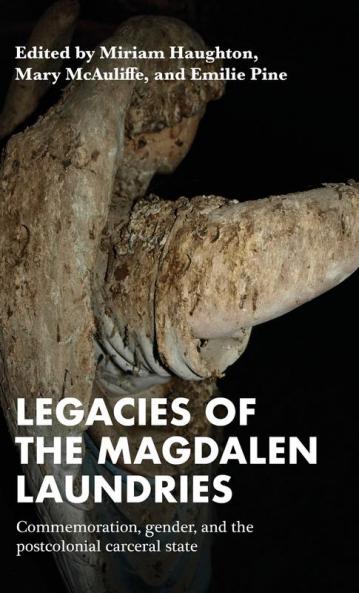
This collection raises incisive questions about the links between the postcolonial carceral system which thrived in Ireland after 1922 and larger questions of gender sexuality identity class race and religion. This kind of intersectional history is vital not only in looking back but in looking forward to identify the ways in which structural callousness still marks Irish society. Essays include historical analysis of the ways in which women and children were incarcerated in residential institutions Ireland's Direct Provision system the policing of female bodily autonomy though legislation on prostitution and abortion in addition to the legacies of the Magdalen laundries. This collection also considers how artistic practice and commemoration have acted as vital interventions in social attitudes and public knowledge helping to create knowledge and re-shape social attitudes towards this history.

Piracy-free

Assured Quality

Secure Transactions

Fast Delivery

Sustainably Printed
Details
ISBN 13
9781526150806
Publication Date
-23-11-2021
Pages
-294
Weight
-425 grams
Dimensions
-140x216x17.46 mm
