


English



Paperback
₹1688
₹1850
8.76% OFF
(All inclusive*)
Delivery Options
Please enter pincode to check delivery time.
*COD & Shipping Charges may apply on certain items.
Review final details at checkout.
Looking to place a bulk order? SUBMIT DETAILS
Delivery Options
Please enter pincode to check delivery time.
*COD & Shipping Charges may apply on certain items.
Review final details at checkout.
About The Book
Description
Author
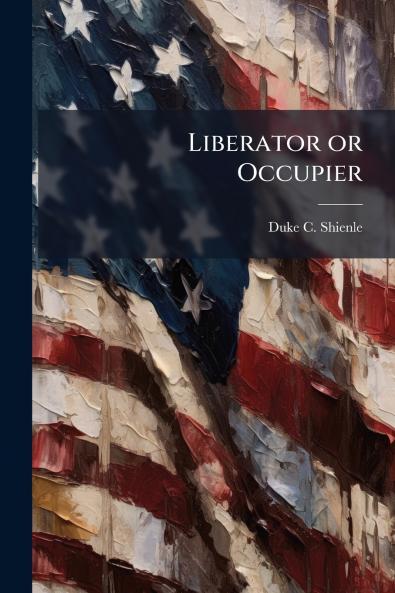
<p>This monograph examines the potential roles of indigenous forces in the transition period from decisive combat through post conflict reconstruction. More specifically should Unconventional Warfare doctrine assess train and develop suitable resistance forces for a post conflict security role. Minimizing US ground presence in future conflicts asks the question what missions are indigenous resistance forces suitable for? Within the Contemporary Operating Environment resistance forces can bring unique skills abilities and legitimacy to post conflict operations. In this current era of US military supremacy asymmetric opponents will focus on post conflict to defeat US goals. The monograph will be evaluated in terms of three security related criteria: protection of populace protection of key individuals institutions and infrastructure and reform of local security institutions. A review of the Contemporary Operating Environment and its impact on Unconventional Warfare Doctrine establishes a baseline for developing criteria assessing an Operation Provide Comfort case study and delineating potential critical tasks and events. Unconventional Warfare doctrine focuses on Guerilla Warfare followed by demobilization of the resistance force. Changes in modern warfare suggest a larger role for indigenous forces across the range of military operations. The case study explores how Special Forces trained Kurdish resistance forces in stability operations using the collateral activity of Humanitarian Assistance. Operation Provide Comfort both strengthened the legitimacy of the Kurdish forces and facilitated combined combat operations during Operation Iraqi Freedom. Advising resistance leadership also provides a venue to assess the resistance group 's suitability for security operations shape the leader 's strategic goals and build long-term bonds. Special Forces maintain the ability to train both combat and stability operations based on their expertise in and the commonality</p><p>This work has been selected by scholars as being culturally important and is part of the knowledge base of civilization as we know it. This work was reproduced from the original artifact and remains as true to the original work as possible. Therefore you will see the original copyright references library stamps (as most of these works have been housed in our most important libraries around the world) and other notations in the work.</p><p>This work is in the public domain in the United States of America and possibly other nations. Within the United States you may freely copy and distribute this work as no entity (individual or corporate) has a copyright on the body of the work.</p><p>As a reproduction of a historical artifact this work may contain missing or blurred pages poor pictures errant marks etc. Scholars believe and we concur that this work is important enough to be preserved reproduced and made generally available to the public. We appreciate your support of the preservation process and thank you for being an important part of keeping this knowledge alive and relevant.</p>

Piracy-free

Assured Quality

Secure Transactions

Fast Delivery

Sustainably Printed
Details
ISBN 13
9781288287338
Publication Date
-12-11-2012
Pages
-60
Weight
-100 grams
Dimensions
-156x234x3.26 mm
