

English


Paperback
₹3023
₹3966
23.78% OFF
(All inclusive*)
Delivery Options
Please enter pincode to check delivery time.
*COD & Shipping Charges may apply on certain items.
Review final details at checkout.
Looking to place a bulk order? SUBMIT DETAILS
Delivery Options
Please enter pincode to check delivery time.
*COD & Shipping Charges may apply on certain items.
Review final details at checkout.
About The Book
Description
Author
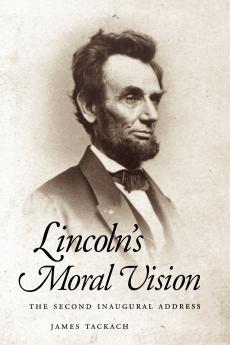
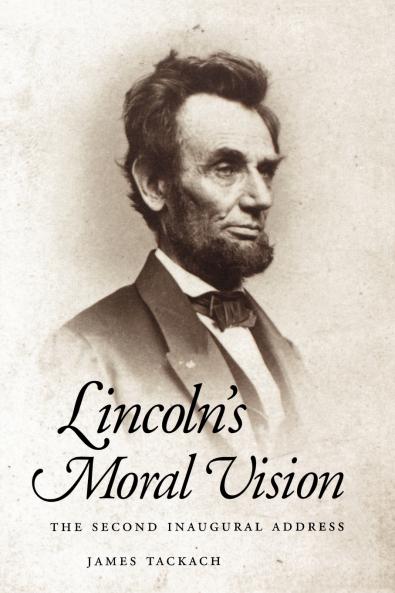
Lincoln's Moral Vision: The Second Inaugural Addressby James TackachOn March 4 1865 Abraham Lincoln gave his Second Inaugural Address the final great speech of his three-decades public career. Delivered a little more than a month before the end of the Civil War and forty-one days before he was assassinated the speech reveals Lincoln's coming to terms with vital moral and political issues with which he had grappled during his political life. This book traces how the speech addresses three critical issues that obsessed him: slavery race and religion. Although in early life Lincoln developed a personal distaste for slavery he never embraced the abolitionist cause. Before his presidency he endorsed a middle position on slavery arguing that it could remain legal in the South where it was entrenched but not be allowed to spread to new territories. On the matter of race Lincoln was a man shaped by the prejudices of his time and place. Before the Civil War he advocated no civil rights for blacks and often asserted that whites should hold a superior position in American society. In religious perspective Lincoln was a skeptic even accused by one political opponent of being an infidel. But during the political turbulence of the 1850s and during Lincoln's presidency his positions on these three burning issues shifted dramatically. The profound changes in Lincoln's thinking are evident in the Second Inaugural Address in which he condemns slavery as a grievous national sin that prompted a just God to deliver upon the United States a fierce punishment in the form of a devastating civil war. This book argues that the Second Inaugural Address was Lincoln's resolution of the key moral and political issues of his time and is the key document in Lincoln's entire literary canon.James Tackach is a professor of English at Roger Williams University.

Piracy-free

Assured Quality

Secure Transactions

Fast Delivery

Sustainably Printed
Details
ISBN 13
9781604733839
Publication Date
-04-11-2002
Pages
-206
Weight
-286 grams
Dimensions
-152x229x11.98 mm
