

English


Paperback
₹1440
(All inclusive*)
Delivery Options
Please enter pincode to check delivery time.
*COD & Shipping Charges may apply on certain items.
Review final details at checkout.
Looking to place a bulk order? SUBMIT DETAILS
Delivery Options
Please enter pincode to check delivery time.
*COD & Shipping Charges may apply on certain items.
Review final details at checkout.
About The Book
Description
Author
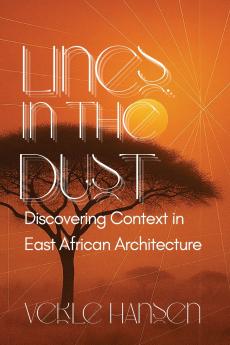
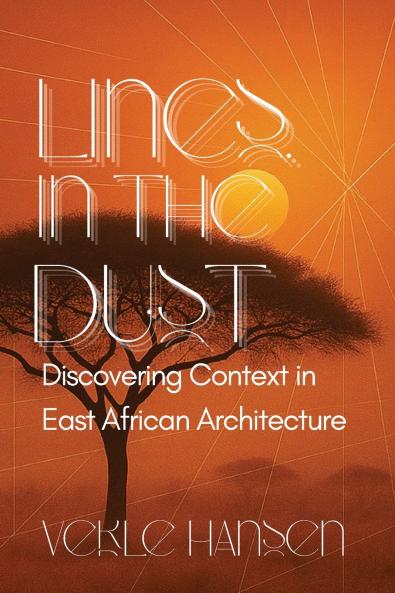
<p class=ql-align-justify><span style=color: rgba(0 0 0 1)>The inability to fly a small plane at night forced an unplanned landing deep in the Serengeti. As the sun set over a wilderness untouched by human ambition the author-an architect tasked with designing rural health facilities-was struck by a profound contradiction. Architecture is meant to serve yet it imposes; it draws form from nature but always at a cost. Standing amid tall grass and ancient silence the author began to confront a truth often ignored in global development: every act of building alters what came before.</span></p><p class=ql-align-justify><span style=color: rgba(0 0 0 1)>This moment became a turning point in a career shaped by efforts to build responsibly in East Africa. It raised the essential question that frames this book: How can we design in fragile environments without erasing the very things that give those places life and meaning? Part memoir part inquiry this is a journey through the ethical tensions of building in landscapes where belonging must matter more than blueprints-and where development must learn to listen before it acts.</span></p><p class=ql-align-justify><span style=color: rgba(0 0 0 1)>What does it mean to build wisely-in a place not your own within systems not your own for people whose stories have long been shaped by forces beyond their control?</span></p><p class=ql-align-justify><span style=color: rgba(0 0 0 1)>When architect Verle Hansen arrived in Tanzania he brought with him the tools of his profession: training ambition and carefully drawn lines. But the land had its own logic and the people their own quiet wisdom. What followed was not just a professional journey but a personal unmaking-a shedding of assumptions about design development and what it means to be civilized.</span></p><p class=ql-align-justify></p><p class=ql-align-justify><span style=color: rgba(0 0 0 1)>Set amid the shifting realities of post-colonial East Africa Lines in the Dust traces Hansen's efforts to design hospitals that could meet real needs without erasing the contexts they entered. With lyrical clarity and hard-earned insight he reflects on scarcity and resilience tradition and transformation and the quiet power of architecture as a form of listening.</span></p><p class=ql-align-justify><span style=color: rgba(0 0 0 1)>This is not a book about heroic design. It is a book about learning to see-and allowing the dust the people and the patient land itself to draw the lines that matter.</span></p><p></p>

Piracy-free

Assured Quality

Secure Transactions
Details
ISBN 13
9798349575440
Publication Date
-14-10-2025
Pages
-166
Weight
-234 grams
Dimensions
-152x229x11.32 mm
