



English



Paperback
₹5404
(All inclusive*)
Delivery Options
Please enter pincode to check delivery time.
*COD & Shipping Charges may apply on certain items.
Review final details at checkout.
Looking to place a bulk order? SUBMIT DETAILS

Piracy-free

Assured Quality

Secure Transactions
About The Book
Description
Author
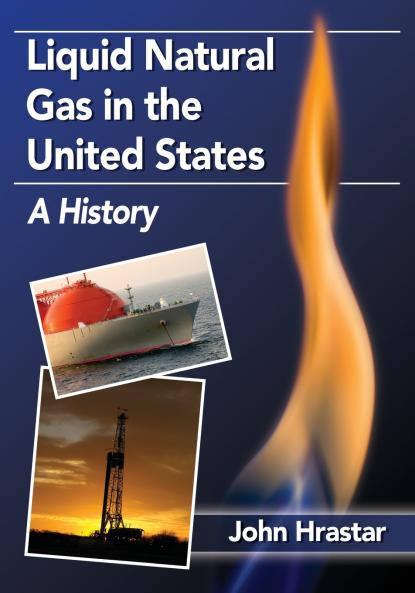
<p> When natural gas was first discovered in Appalachia in the 19th century its development as a fuel was rapid. Unlike oil and coal gas could be moved only by pipeline and required large containers for storage. It was not possible to cope with peak loads without adding excessive pipeline capacity until just before World War II when two sister gas companies developed a plant to liquefy and store natural gas as a liquid; the liquid was then regasified to deal with peak loads.</p><p> The liquid is 1/600 the volume of the gas but it requires storage at an extremely low temperature 1-260°F. This worked well until 1944 when a liquid natural gas (LNG) tank in Cleveland ruptured and caused a fire with 130 fatalities. The fire did not end the industry but caused it to pause. Over the next few years the problems in materials design standards and siting were solved. The recognition that liquefaction made LNG transportable without a pipeline was the breakthrough. In 1959 a shipload of LNG went from Louisiana to Britain and restarted the LNG industry. It is now a major worldwide energy industry and the topic of this work.</p>
Piracy-free
Assured Quality
Secure Transactions
Delivery Options
Please enter pincode to check delivery time.
*COD & Shipping Charges may apply on certain items.
Review final details at checkout.
Details
ISBN 13
9780786478590
Publication Date
-10-07-2014
Pages
-286
Weight
-509 grams
Dimensions
-178x254x15.24 mm
