


English



Hardback
₹15461
₹19825
22.01% OFF
(All inclusive*)
Delivery Options
Please enter pincode to check delivery time.
*COD & Shipping Charges may apply on certain items.
Review final details at checkout.
Looking to place a bulk order? SUBMIT DETAILS

Piracy-free

Assured Quality

Secure Transactions
About The Book
Description
Author
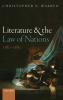
In this groundbreaking study Christopher Warren argues that early modern literary genres were deeply tied to debates about global legal order and that todayâs international law owes many of its most basic suppositions to early modern literary culture. Literature and the Law of Nations shows how the separation of scholarship on law from scholarship on literature has limited the understanding of international law on both sides. Warren suggests thatboth literary and legal scholars have tacitly accepted tendentious but politically consequential assumptions about whether international law is ârealâ law. Literature and the Law of Nations recognizes the specific nature of early modern international law by showing how major writers of the EnglishRenaissance-including Shakespeare Milton and Hobbes-deployed genres like epic tragedy comedy tragicomedy and history to shore up the canonical subjects and objects of modern international law. Warren demonstrates how Renaissance literary genres informed modern categories like public international law private international law international legal personality and human rights. Students and scholars of Renaissance literature intellectual history the history of international law andthe history of political thought will find in Literature and the Law of Nations a rich interdisciplinary argument that challenges the usual accounts by charting a new literary history of international law.
Piracy-free
Assured Quality
Secure Transactions
Delivery Options
Please enter pincode to check delivery time.
*COD & Shipping Charges may apply on certain items.
Review final details at checkout.
Details
ISBN 13
9780198719342
Publication Date
-01-10-2019
Pages
-298
Weight
-519 grams
Dimensions
-156x234x17.46 mm
