



₹150
₹176
14.77% OFF
(All inclusive*)
Paperback
Delivery Options
Please enter pincode to check delivery time.
*COD & Shipping Charges may apply on certain items.
Review final details at checkout.
Looking to place a bulk order? SUBMIT DETAILS
Delivery Options
Please enter pincode to check delivery time.
*COD & Shipping Charges may apply on certain items.
Review final details at checkout.
About The Book
Description
Author
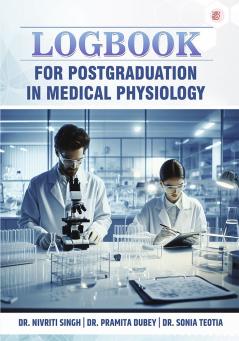
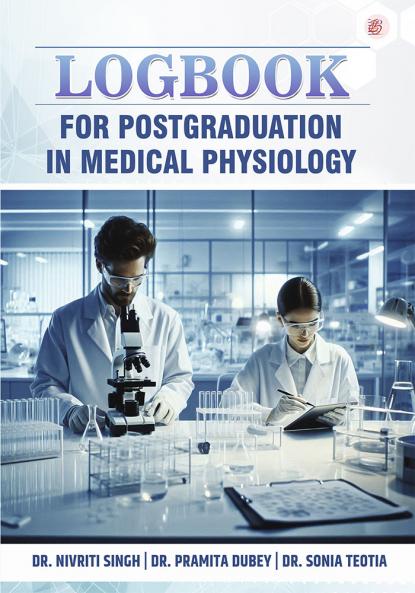
The Post Graduate Log Book of Physiology is an essential resource for medical trainees meticulously crafted in alignment with the National Medical Council of India guidelines. This comprehensive log book serves as a structured framework for documenting the academic journey and clinical experiences of postgraduatestudents in the field of Physiology. Designed to enhance learning and assessment the log book facilitates the recording of key competencies research activities and practical skills acquired during the course of theresidency. It encourages reflective practice by prompting students to articulate their understanding ofphysiological concepts and their application in clinical scenarios. By incorporating diverse activities such as case discussions laboratory work and interdisciplinary collaboration this log book fosters a holistic approach to medical education. Additionally it provides a valuable tool for mentors and faculty to evaluate progress and ensure adherence to educational standards set by the National Medical Council. Embrace this log book as apathway to professional growth clinical excellence and a profound understanding of the vital role physiology plays in medicine.The Post Graduate Physiology Log Book is an essential academic tool designed to facilitate the structureddocumentation of learning experiences and competencies for postgraduate students in Physiology inaccordance with the guidelines set forth by the National Medical Council of India (NMC). This Log Book serves as a comprehensive record that not only fulfills regulatory requirements but also enhances the educationalexperience of medical trainees by promoting active participation in their learning journey. *Purpose andStructure* The primary purpose of the Log Book is to provide an organized platform for students to track their academic and clinical achievements systematically. It encourages students to take ownership of their learning by documenting various activities including lectures practical sessions case discussions and researchinvolvement. The Log Book is structured into relevant sections to ensure that all essential competencies arecovered enabling students to establish a solid foundation in physiological concepts and their applications in clinical practice. *Core Areas of Focus* The Log Book encompasses several key areas outlined by the NMCincluding but not limited to: 1. *Fundamental Physiology:* Documentation of knowledge in core subjects such as cell physiology neurophysiology cardiovascular physiology and exercise physiology. Students areencouraged to reflect on their understanding of these concepts and their implications in health and disease. 2. *Clinical Applications:* Recording experiences that relate to the application of physiological principles inclinical scenarios including patient assessments interpretation of physiological data and integration ofphysiology with other medical disciplines. 3. *Research and Innovation:* A significant emphasis is placed on research activities encouraging students to engage in projects that explore new frontiers in physiology. This section allows students to document their contributions to research literature reviews and presentations at conferences fostering a culture of inquiry and scientific exploration. 4. *Skill Development:* Documentation of crucial practical skills such as laboratory techniques clinical examinations and physiological assessments. This section is vital for ensuring that students are competent in performing essential tasks that are integral to their future careers as physicians. 5. *Interdisciplinary Learning:* The Log Book promotes collaboration across various medical disciplines urging students to participate in interdisciplinary sessions that demonstrate the interconnectedness of physiology with other fields such as pharmacology biochemistry and pathology.*Reflective Practice* An integral feature of the Log Book is the emphasis on reflective practice. Students areencouraged to reflect on their learning experiences challenges faced and insights gained throughout theirtraining. This iterative process not only enhances self-awareness but also promotes critical thinking and the application of learned concepts to real-world scenarios. *Assessment and Mentorship* The Log Book serves as a vital tool for faculty and mentors to assess student progress ensuring alignment with NMC standards. Itfacilitates regular feedback sessions where educators can review the documented activities discuss areas for improvement and guide students towards achieving their academic and clinical goals. *Conclusion* Insummary the Post Graduate Physiology Log Book is a foundational instrument that plays a crucial role inshaping the educational experiences of medical students. It aligns with the National Medical Council of India’sguidelines ensuring that students not only accumulate knowledge but also develop the necessary skills and competencies to excel in their future medical careers. By fostering a culture of active learning reflection and interdisciplinary collaboration the Log Book ultimately strives to enhance the quality of medical education and contribute to the development of competent empathetic healthcare professionals.

Piracy-free

Assured Quality

Secure Transactions

Fast Delivery

Sustainably Printed
Details
ISBN 13
9789363709775
Publication Date
-30-12-2024
Pages
-70
Weight
-177 grams
Dimensions
-203.2x279.4x4.2 mm
