

English


Paperback
₹3805
₹4191
9.21% OFF
(All inclusive*)
Delivery Options
Please enter pincode to check delivery time.
*COD & Shipping Charges may apply on certain items.
Review final details at checkout.
Looking to place a bulk order? SUBMIT DETAILS

Piracy-free

Assured Quality

Secure Transactions
About The Book
Description
Author
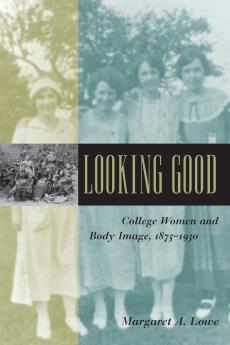
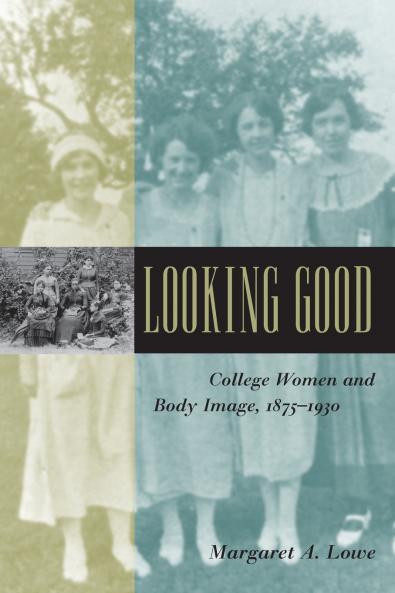
Toward the end of the nineteenth century as young women began entering college in greater numbers than ever before physicians and social critics charged that campus life posed grave hazards to the female constitution and women's reproductive health. A girl could study and learn Dr. Edward Clarke warned in his widely read 1873 book Sex in Education but she could not do all this and retain uninjured health and a future secure from neuralgia uterine disease hysteria and other derangements of the nervous system. For half a century ideas such as Dr. Clarke's framed the debate over a woman's place in higher education almost exclusively in terms of her body and her health.For historian Margaret A. Lowe this obsession offers one of the clearest expressions of the social and cultural meanings given to the female body between 1875 and 1930. At the same time the college girl was a novelty that tested new ideas about feminine beauty sexuality and athleticism. In Looking Good Lowe examines the ways in which college women at three quite different institutions-Cornell University Smith College and Spelman College-regarded their own bodies in this period. Contrasting white and black students single-sex and coeducational schools secular and religious environments and Northern and Southern attitudes Lowe draws on student diaries letters and publications; institutional records; and accounts in the popular press to examine the process by which new twentieth-century ideals of the female body took hold in America.
Piracy-free
Assured Quality
Secure Transactions
Delivery Options
Please enter pincode to check delivery time.
*COD & Shipping Charges may apply on certain items.
Review final details at checkout.
Details
ISBN 13
9780801882746
Publication Date
-09-08-2005
Pages
-224
Weight
-310 grams
Dimensions
-152x229x12.97 mm
