

English


₹9790
₹12484
21.58% OFF
(All inclusive*)
Hardback
Delivery Options
Please enter pincode to check delivery time.
*COD & Shipping Charges may apply on certain items.
Review final details at checkout.
Looking to place a bulk order? SUBMIT DETAILS
Delivery Options
Please enter pincode to check delivery time.
*COD & Shipping Charges may apply on certain items.
Review final details at checkout.
About The Book
Description
Author
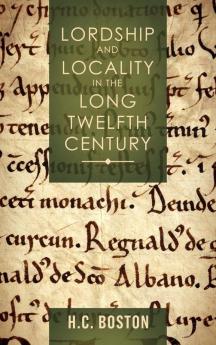
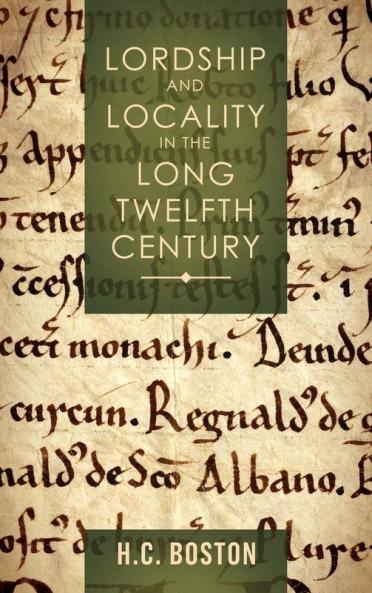
A new perspective on lordship in England between the Norman Conquest and Magna Carta.<br><br>Multiple lordship- that is holding land or owing allegiance to more than one lord simultaneously- was long regarded under the western European feudal model as a potentially dangerous aberration and a sign of decline in the structure of lordship. Through an analysis of the minor lords of Leicestershire Derbyshire and Staffordshire during the long twelfth century this study demonstrates conversely that multiple lordship was at least as common as single lordship in this period and regarded as a normal practice and explores how these minor lords used the flexibility of lordship structures to construct localised centres of authority in the landscape and become important actors in their own right. <br><br>Lordship was moreover only one of several forces which minor lords had to navigate. Regional society in this period was profoundly shaped by overlapping ties of lordship kinship and locality each of which could have a fundamental impact on relationships and behaviour. These issues are studied within and across lords' honours around religious houses and urban areas and in a close case study of the abbey of Burton-upon-Trent. This book thus contextualises lordship within a wider landscape of power and influence.

Piracy-free

Assured Quality

Secure Transactions

Fast Delivery

Sustainably Printed
Details
ISBN 13
9781783277834
Publication Date
-09-01-2024
Pages
-276
Weight
-488 grams
Dimensions
-156x234x17.46 mm
