


English


Paperback
₹1558
₹1729
9.89% OFF
(All inclusive*)
Delivery Options
Please enter pincode to check delivery time.
*COD & Shipping Charges may apply on certain items.
Review final details at checkout.
Looking to place a bulk order? SUBMIT DETAILS
Delivery Options
Please enter pincode to check delivery time.
*COD & Shipping Charges may apply on certain items.
Review final details at checkout.
About The Book
Description
Author
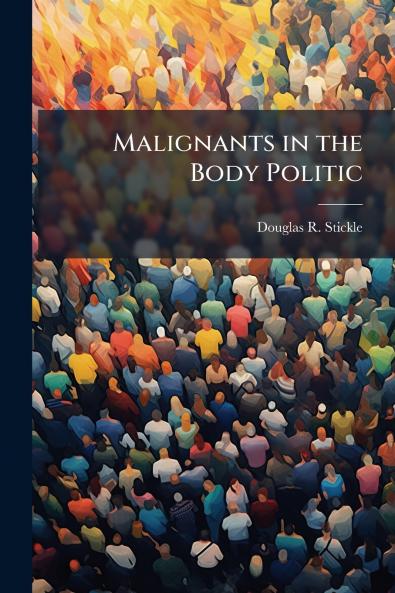
<p>In the aftermath of September 11th President Bush declared the dawn of a new kind of war. He has repeatedly emphasized that means and measures of success in this new war will differ greatly from wars past. Yet if this war on terrorism is unlike any other war then what is it like? From the public statements of high-ranking US officials metaphorical answers emerge: terrorism is a metastasizing cancer a plague a threat from which we are not immune. This paper explores the analogies of immunity infection and cancer. In doing so it addresses the classic strategic questions what is the nature of the enemy and what is the nature of the fight? In the never-ending battle against microbes and 30-year old Swar on cancerT the enemies are microbes and malignancies-threats from without the body and threats from within. In the context of the announced war on terrorism I convert these biological and medical themes for reflective contemplation and conclude that the administration might look further to the language of disease to better communicate the challenges of the war on terrorists.</p><p>This work has been selected by scholars as being culturally important and is part of the knowledge base of civilization as we know it. This work was reproduced from the original artifact and remains as true to the original work as possible. Therefore you will see the original copyright references library stamps (as most of these works have been housed in our most important libraries around the world) and other notations in the work.</p><p>This work is in the public domain in the United States of America and possibly other nations. Within the United States you may freely copy and distribute this work as no entity (individual or corporate) has a copyright on the body of the work.</p><p>As a reproduction of a historical artifact this work may contain missing or blurred pages poor pictures errant marks etc. Scholars believe and we concur that this work is important enough to be preserved reproduced and made generally available to the public. We appreciate your support of the preservation process and thank you for being an important part of keeping this knowledge alive and relevant.</p>

Piracy-free

Assured Quality

Secure Transactions

Fast Delivery

Sustainably Printed
Details
ISBN 13
9781288311170
Publication Date
-19-11-2012
Pages
-44
Weight
-78 grams
Dimensions
-156x234x2.42 mm
