



This Book is Out of Stock!
English



Paperback
₹2040
₹2488
18.01% OFF
(All inclusive*)
Delivery Options
*COD & Shipping Charges may apply on certain items.
Review final details at checkout.
Looking to place a bulk order? SUBMIT DETAILS
*COD & Shipping Charges may apply on certain items.
Review final details at checkout.
₹2040
₹2488
18% OFF
Paperback
Out Of Stock
All inclusive*
About The Book
Description
Author
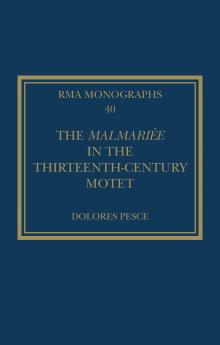
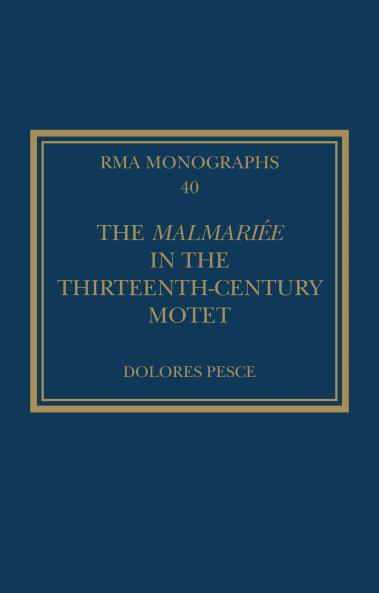
<p>This monograph offers a comprehensive study of the topos of the <i>malmariée</i> or the unhappily married woman within the thirteenth-century motet repertory a vocal genre characterized by several different texts sounding simultaneously over a foundational Latin chant. Part I examines the <i>malmariée</i> motets from three vantage points: (1) in light of contemporaneous canonist views on marriage; (2) to what degree the French <i>malmariée </i>texts in the upper voices treat the messages inherent in the underlying Latin chant through parody and/or allegory; and (3) interactions among upper-voice texts that invite additional interpretations focused on gender issues.</p><p>Part II investigates the transmission profile of the motets as well as of their refrains revealing not only intertextual refrain usage between the motets and other genres but also a significant number of shared refrains between <i>malmariée</i> motets and other motets. Part II furthermore offers insights on the chronology of composition within a given intertextual refrain nexus and examines how a refrain’s meaning can change in a new context. Finally based on the transmission profile Part II argues for a lively interest in the topos in the 1270s and 1280s both through composition of new motets and compilation of earlier ones with Paris and Arras playing a prominent role.</p>

Piracy-free

Assured Quality

Secure Transactions

Fast Delivery

Sustainably Printed
Details
ISBN 13
9781032371214
Publication Date
-26-08-2024
Pages
-180
Weight
-216 grams
Dimensions
-137.92x215.9x9.85 mm
