

English


Paperback
₹10144
(All inclusive*)
Delivery Options
Please enter pincode to check delivery time.
*COD & Shipping Charges may apply on certain items.
Review final details at checkout.
Looking to place a bulk order? SUBMIT DETAILS
Delivery Options
Please enter pincode to check delivery time.
*COD & Shipping Charges may apply on certain items.
Review final details at checkout.
About The Book
Description
Author
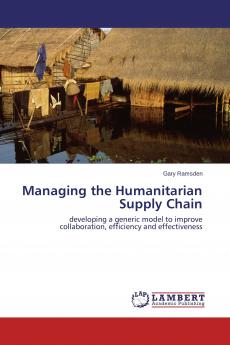
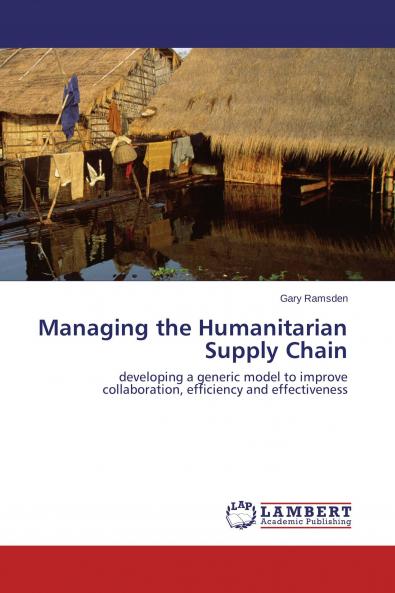
Humanitarian disasters are expected to increase 5-fold over the next 50 years. It is suggested that the scale of resource dedicated to logistics provision in response to disasters accounts for upwards of 80% of the total budget hence humanitarian logistics is very much in the spotlight. Collaborative working has been promoted as a Silver Bullet in many areas of Supply Chain Management and is contended to be a mechanism to prevent organisations optimising solely their own results rather than integrating their goals and activities with others to benefit overall end user value. Collaborative techniques inherent within commercial supply chains have not been observed in the humanitarian relief chain. This study investigates why this is the case as this lack of collaboration leads to inefficiency; which at worst results in increased humanitarian suffering and additional loss of life. The findings reveal ways to advance collaborative working within the humanitarian relief supply chain. A conceptual generic model of the supply chain is developed which highlights significant issues which if addressed will improve collaboration and thereby benefit overall efficiency and effectiveness.

Piracy-free

Assured Quality

Secure Transactions

Fast Delivery

Sustainably Printed
Details
ISBN 13
9783659618970
Publication Date
-01-10-2015
Pages
-400
Weight
-540 grams
Dimensions
-150x220x21.15 mm
